 0
0
 0
0
This is the third part of my adventures in Peru and Bolivia. You might also be interested in my short stop in Lima or mountaineering in Bolivia.
My dad and I spent a few days in La Paz getting some work done, exploring the city’s steep and winding streets, and planning our excursion to the vast southwestern deserts of Bolivia. The first leg of the journey was an overnight bus ride to the historic mining town of Potosí.

Potosí was founded in 1545, the year after an indigenous miner discovered the silver deposits under Cerro Rico – the rich mountain. For the remainder of the sixteenth century, it would supply 60% of the world’s silver output. The Spanish minted this immense wealth into coins at a large mint, which is now open to the public as a museum.

After the silver was smelted and formed into ingots, the first step in the minting process was rolling out the ingots to the correct thickness using a rolling mill. A team of horses drove a series of cogs that pressed the silver in four stages. Three of these mills were constructed, and all are preserved in good condition by the high desert climate.
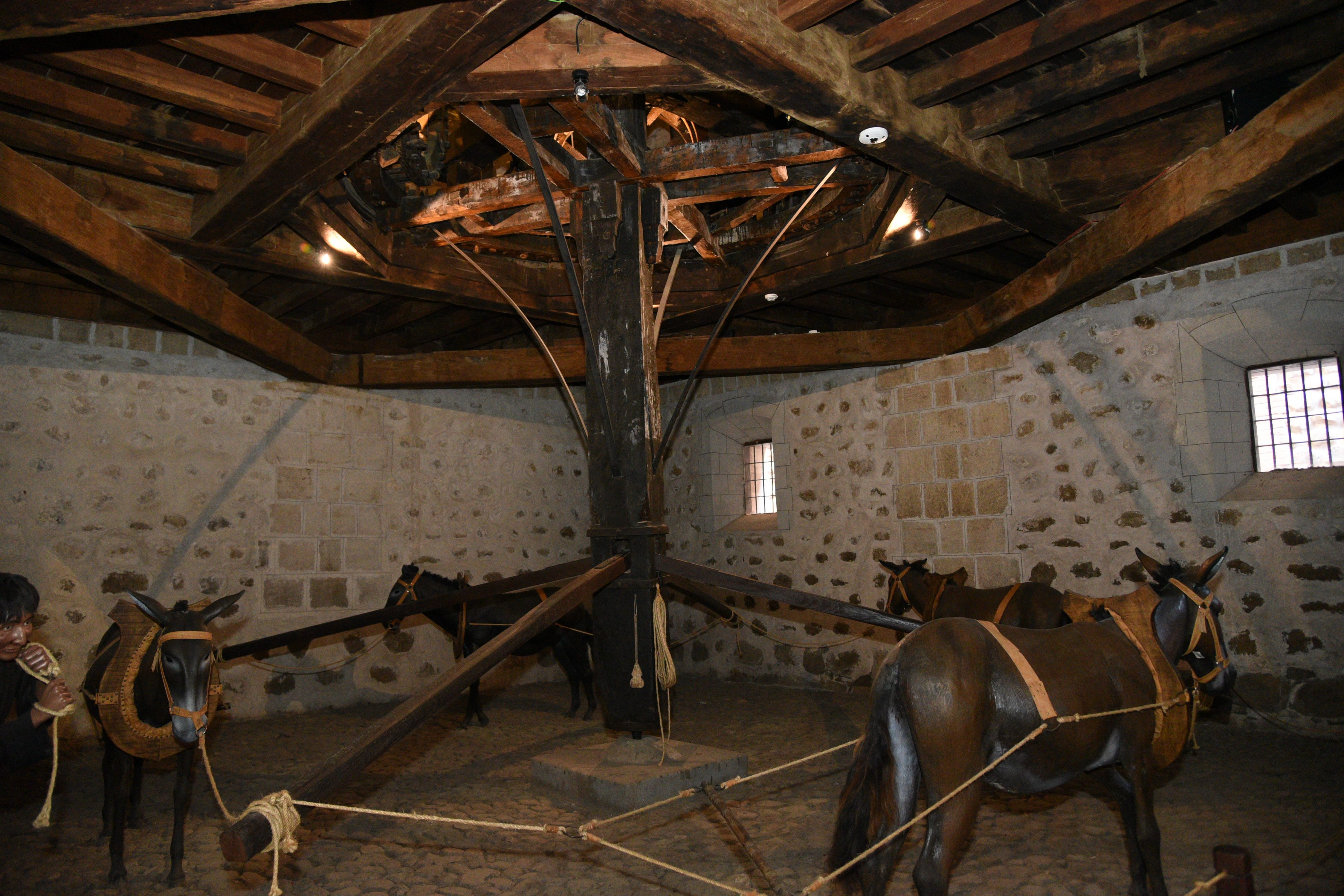
For the first few centuries of its operation, coins were struck in manually-operated screw presses. The introduction of steam power in the 19th century mechanized each step of the coining process and rendered the original equipment at the mint obsolete. By this time, silver production had declined somewhat from the levels of the early colonial period, and the mechanization of the process meant that the machinery could be located in a small wing of the mint, where it is still displayed today.

While we enjoyed touring the mint that turned the silver into coinage, we also wanted to see the source – the mines of Cerro Rico. Many tour companies around the city offer tours guided by ex-miners. The tour’s first stop is alway the Miners’ Market, where you can buy the traditional gifts of alcohol, coca leaves, and explosives.

Holding a stick of ANFO explosive and the 95% pure alcohol preferred by the miners / Greg Schenewerk 
Miners unload ore from an access shaft / Greg Schenewerk
We piled out of the minibus after winding up the switchbacks to the porous Cerro Rico. It was a festival day, but the miners seemed to be working a half day in the morning. A winch hauled silver ore out of a shaft as we arrived.
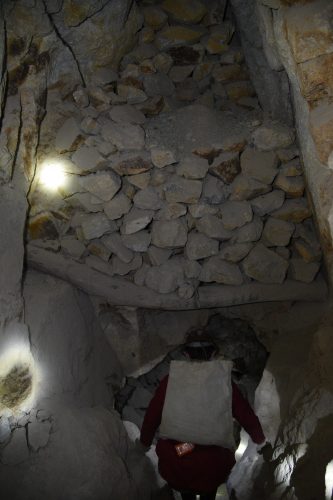
The disorienting warren of shafts follows the ore without plan or pattern. Our headlamps illuminate the silica dust hanging in the air. The dust is a carcinogen, but silicosis will kill most of the miners by age 40, long before cancer has a chance to develop. Though the process no longer requires mercury, conditions are poor, the heat oppressive, and the lifespans short, much like they were in the colonial era.
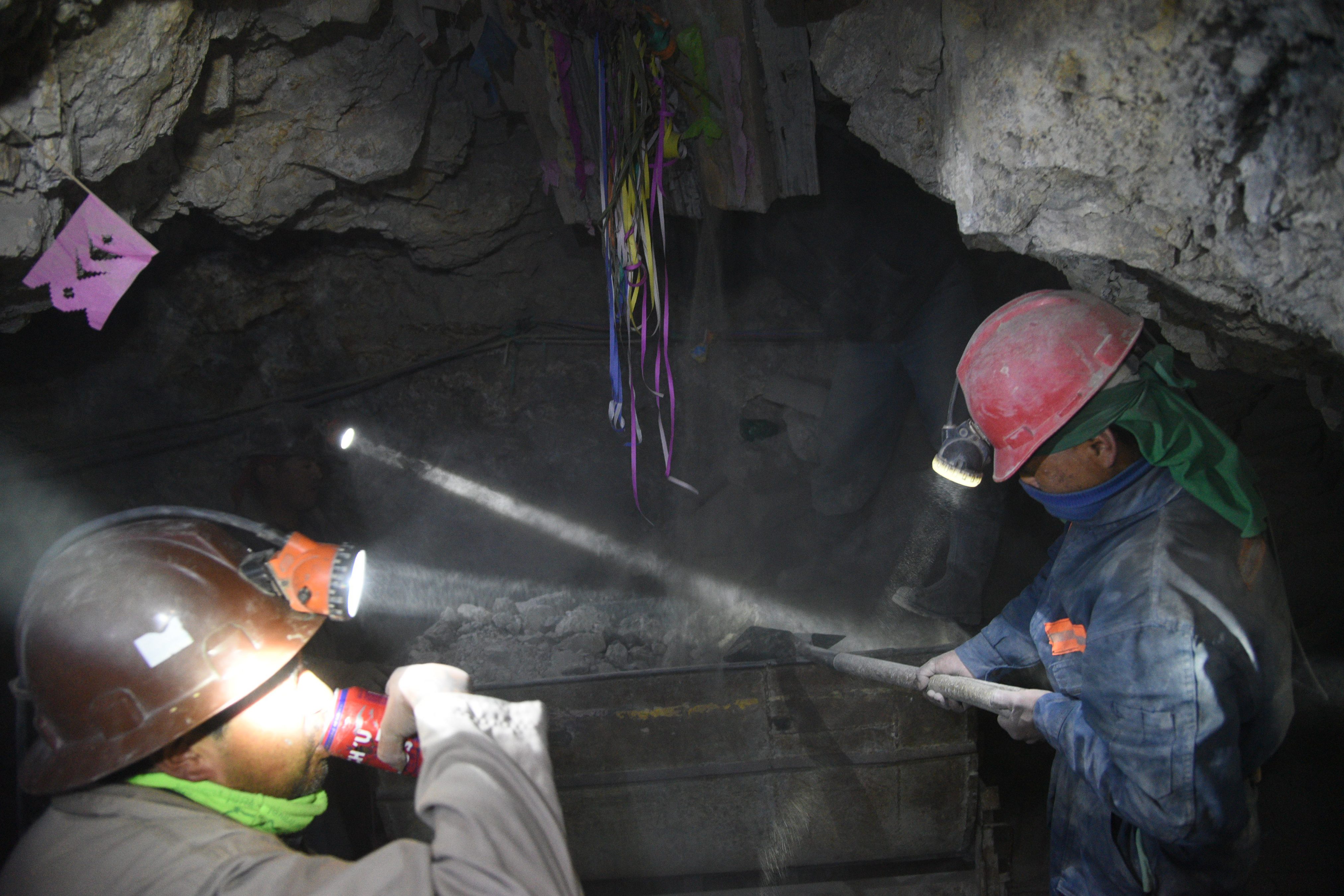
The miners worship El Tío – believed to be the lord of the underworld. Usually personified as a goat-headed humanoid with a massive phallus, the miners leave him offerings of cigarettes, cocoa leaves, and alcohol. In strongly Catholic Bolivia, images of El Tío are not allowed outside the mines.
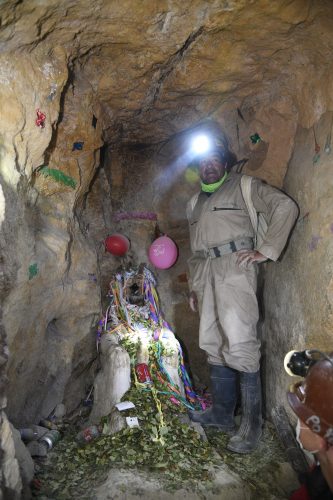
We clambered down ladders deeper into the mine, making an offering to each Tío we passed. One section of the mine contains an uncovered portion of colonial-era shoring. The centuries-old fitted stones seem secure in comparison to the unreinforced tunnels we have traversed so far. A conquistador mannequin stands guard over a dusty subterranean museum. Then we turn around and retrace our steps toward the surface. Everyone seemed grateful to be back in the daylight after a few hours. I can’t even imagine a twelve-hour shift below.
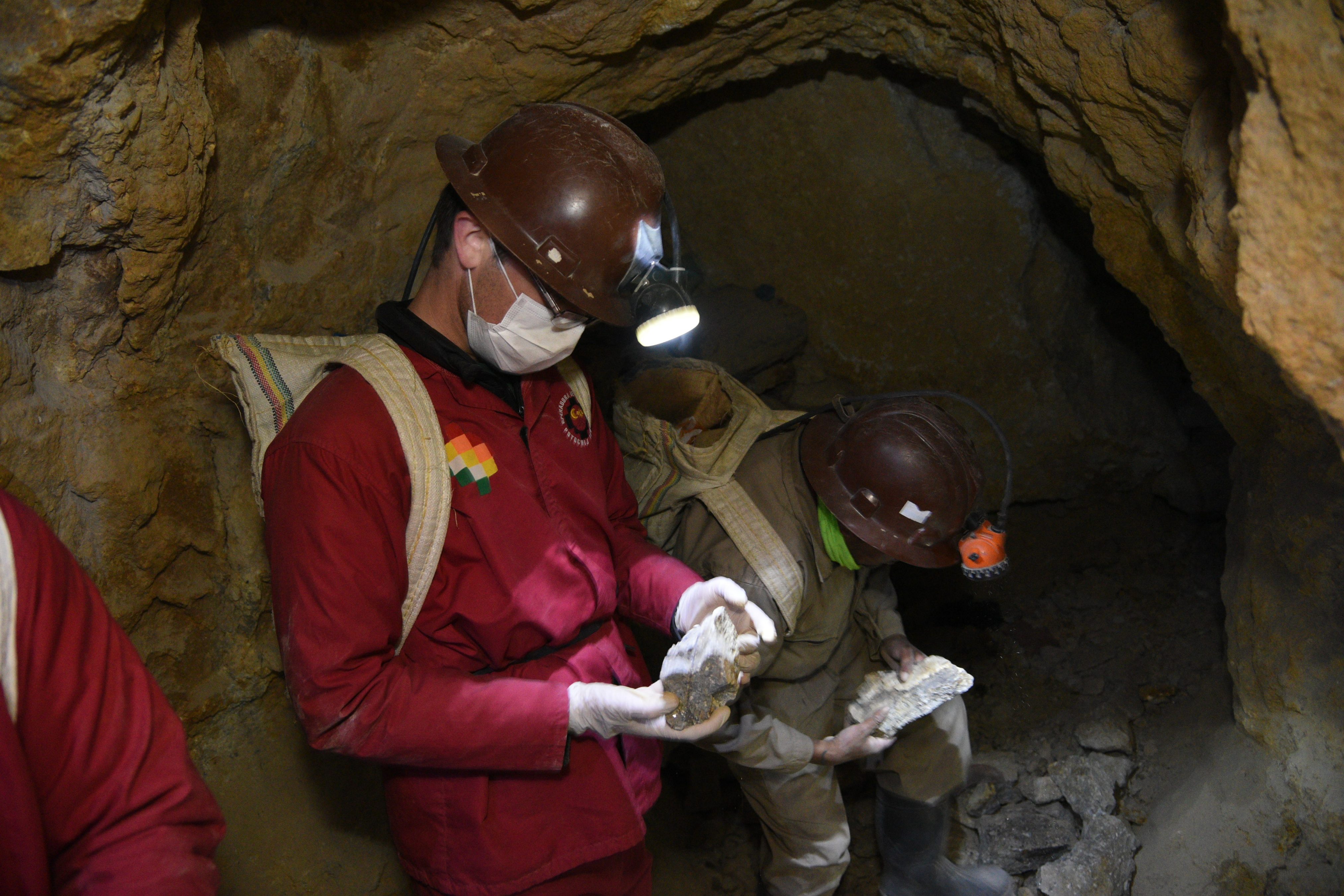
After the mine tour, a late-night bus drove us four hours into the flatlands of the Altiplano to the windswept town of Uyuni. Originally a rail stop, recent decades have transformed it into a tourist trap for backpackers joint 4×4 tours of the immense salt flats – Bolivia’s most important tourist attraction. We were joining a three-day tour with Caroline, who I’ve traveled with in Tajikistan, Afghanistan, and Mexico, and her friends from Wifi Tribe, a coworking group with chapters around the world.

The legions of 4x4s Uyuni depart simultaneously as if sent by a starter’s pistol and immediately make for the first stop, the train graveyard on the edge of town. Here, tourists are free to clamber across the rusting steam locomotives and snap a few photos.

Lunch is inside a building built entirely of salt bricks hewn from the flats. There are so many tourists that you have to wait for a group to leave before you can get a table. Outside, flags from all over the world fly straight out in the relentless winds.
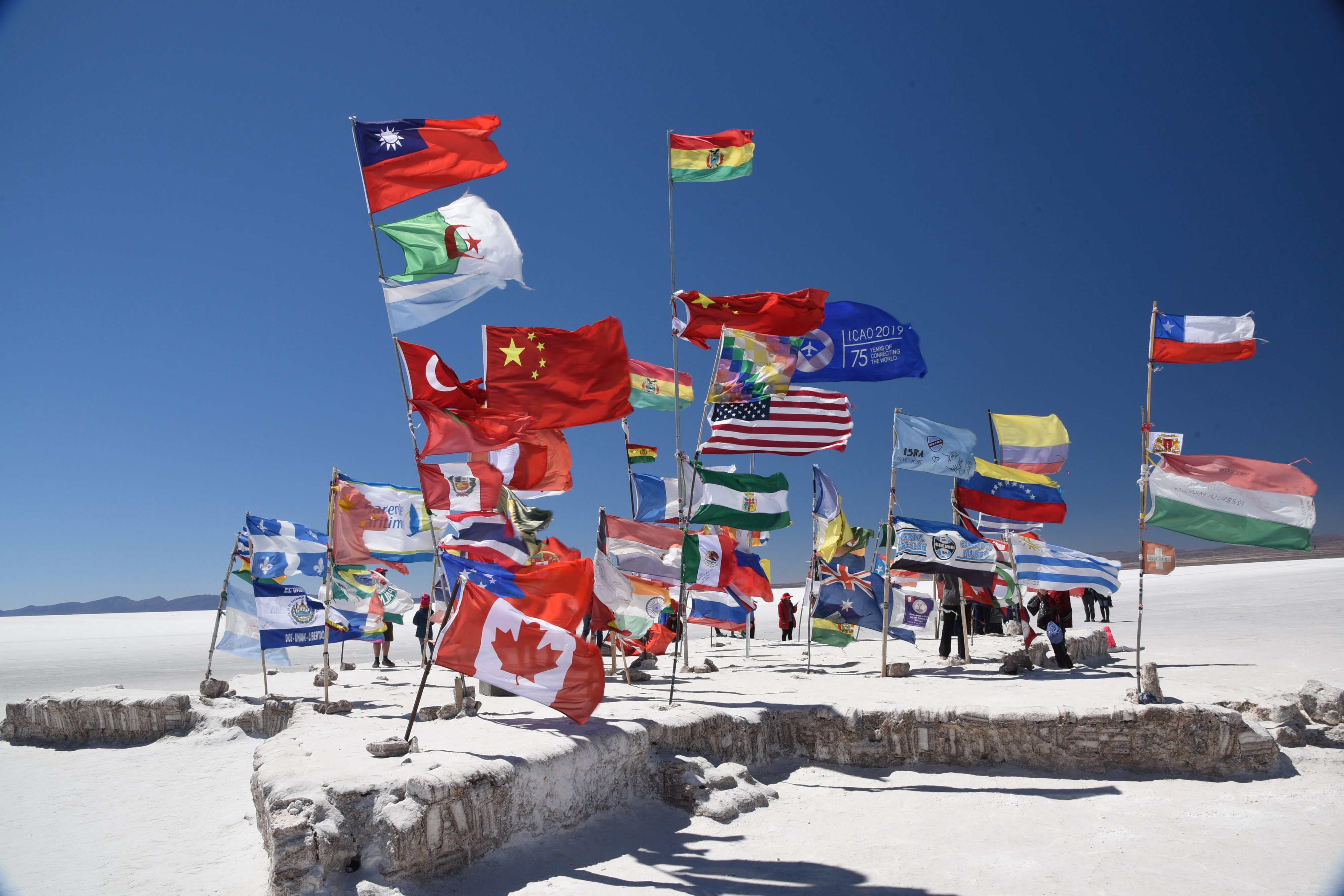
After lunch, everyone finds a deserted patch of salt where they can exploit the perfectly flat salt for forced perspective shots. I think every tourist has the same ten photos. We drove for another hour or two, stopped to watch the sunset, then onward again to our accommodations for the night.

Many of the tourists along the route are only following the first day of the route, so the second and third days were less crowded. Dad and I went to take photos of the local church at dawn.

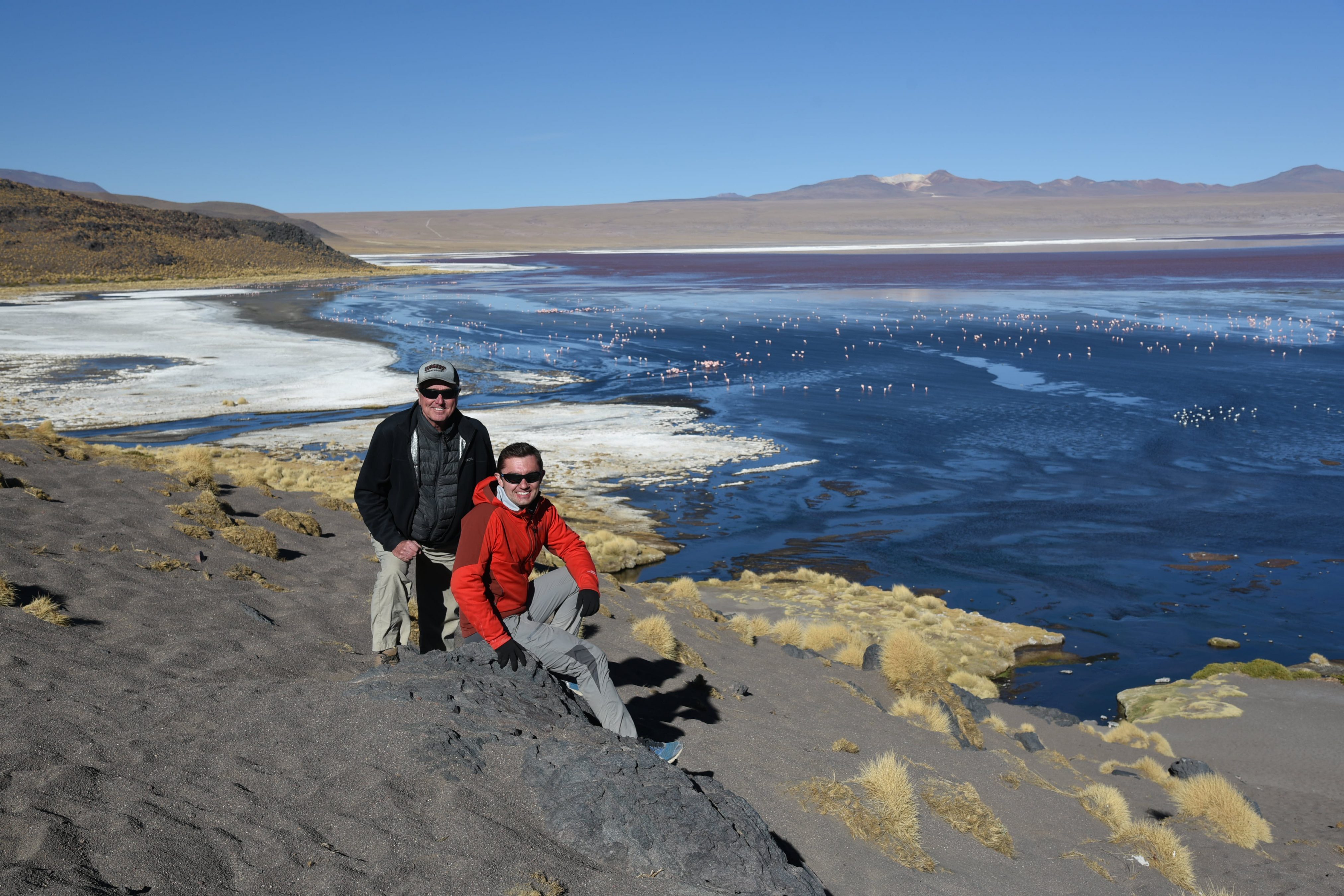
The second day we headed deep into the desert of southwestern Bolivia, hopping from one saline lake to another, usually looking at the flamingoes for a few minutes at each before the wind drove the passengers back into their vehicles.

Each day, we stopped for lunch at a scenic spot where a few tables had sprung up to serve the daily procession of vehicles along the tracks carved across the desert.
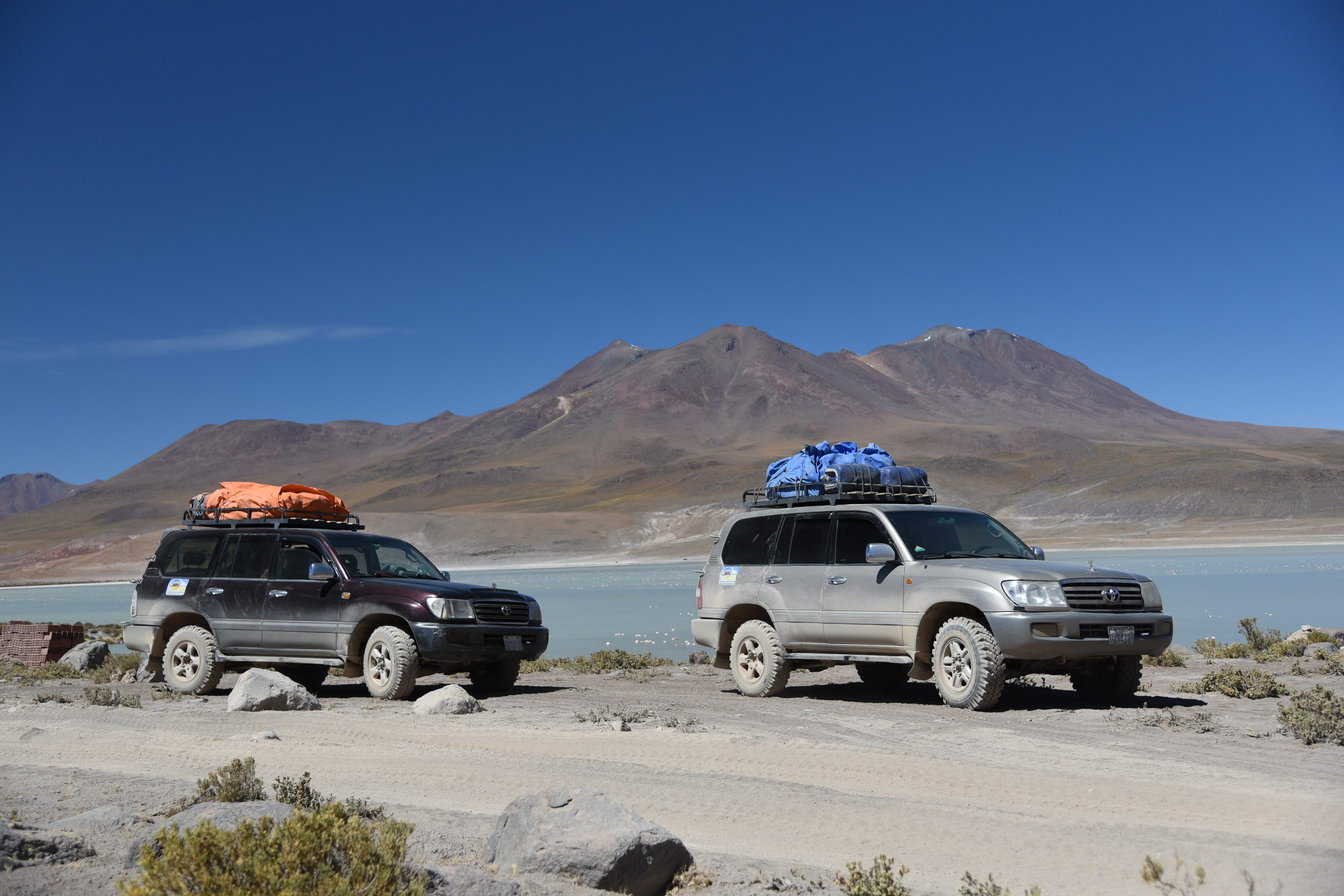
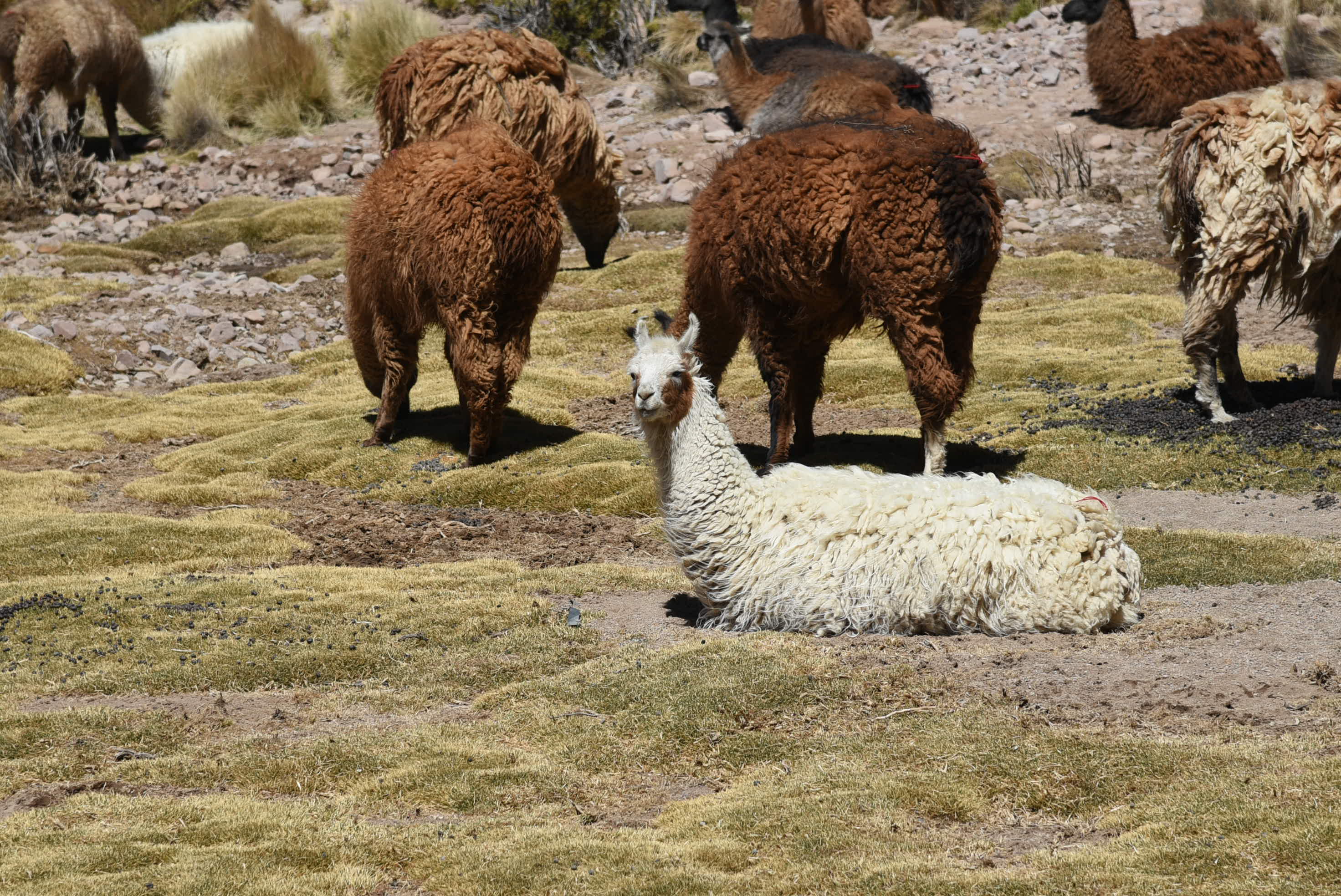
Though the scenery usually resembled a bleak Martian landscape (NASA tested the Mars rovers just across the border in Chile), there are pockets of life wherever water can be found. The highly saline lakes support small insects and shellfish that feed flamingoes, and small valleys with seasonal rivers support grasses that feed Vizcacha and are pastureland for llama herders.
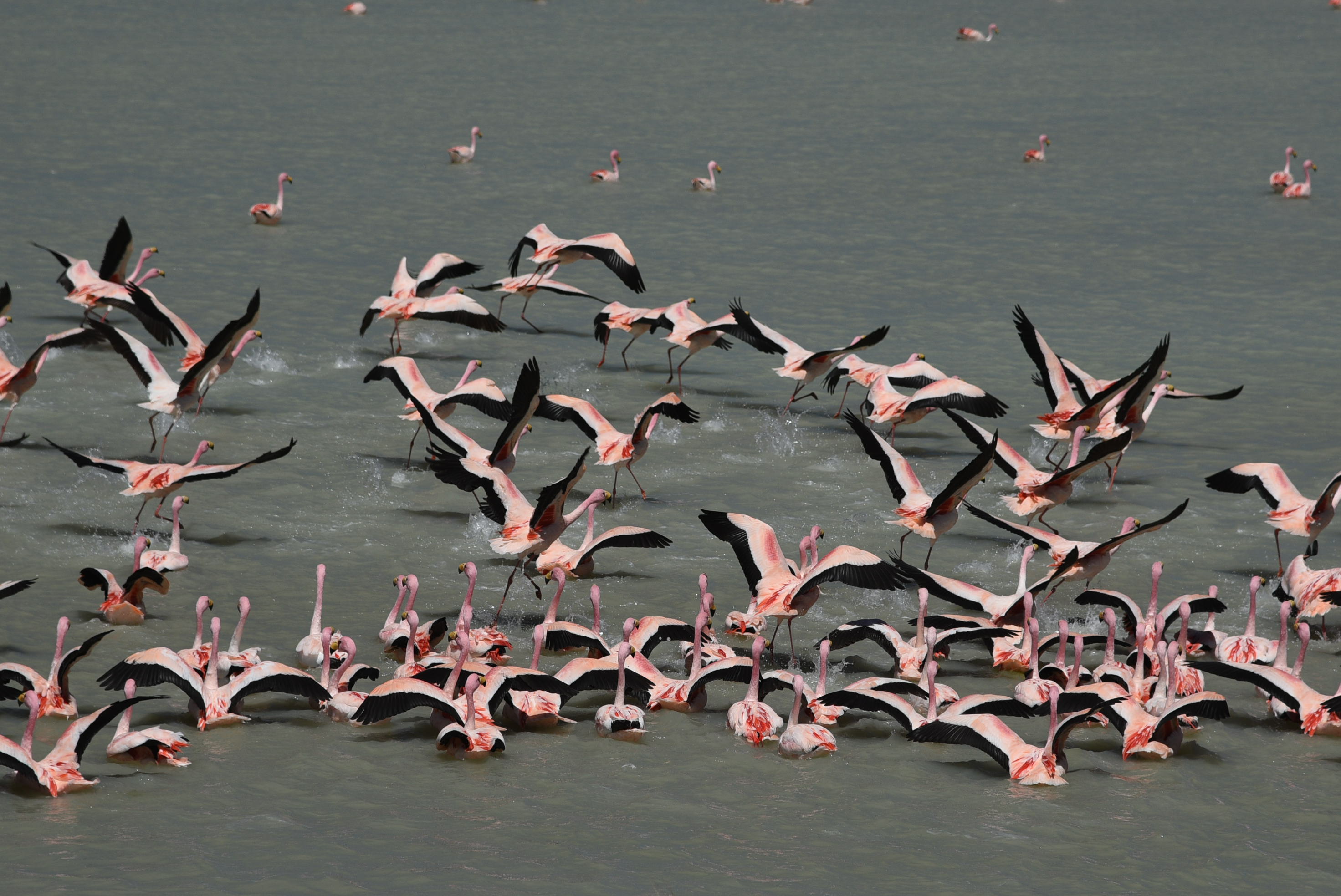
Flamingoes fleeing the camera 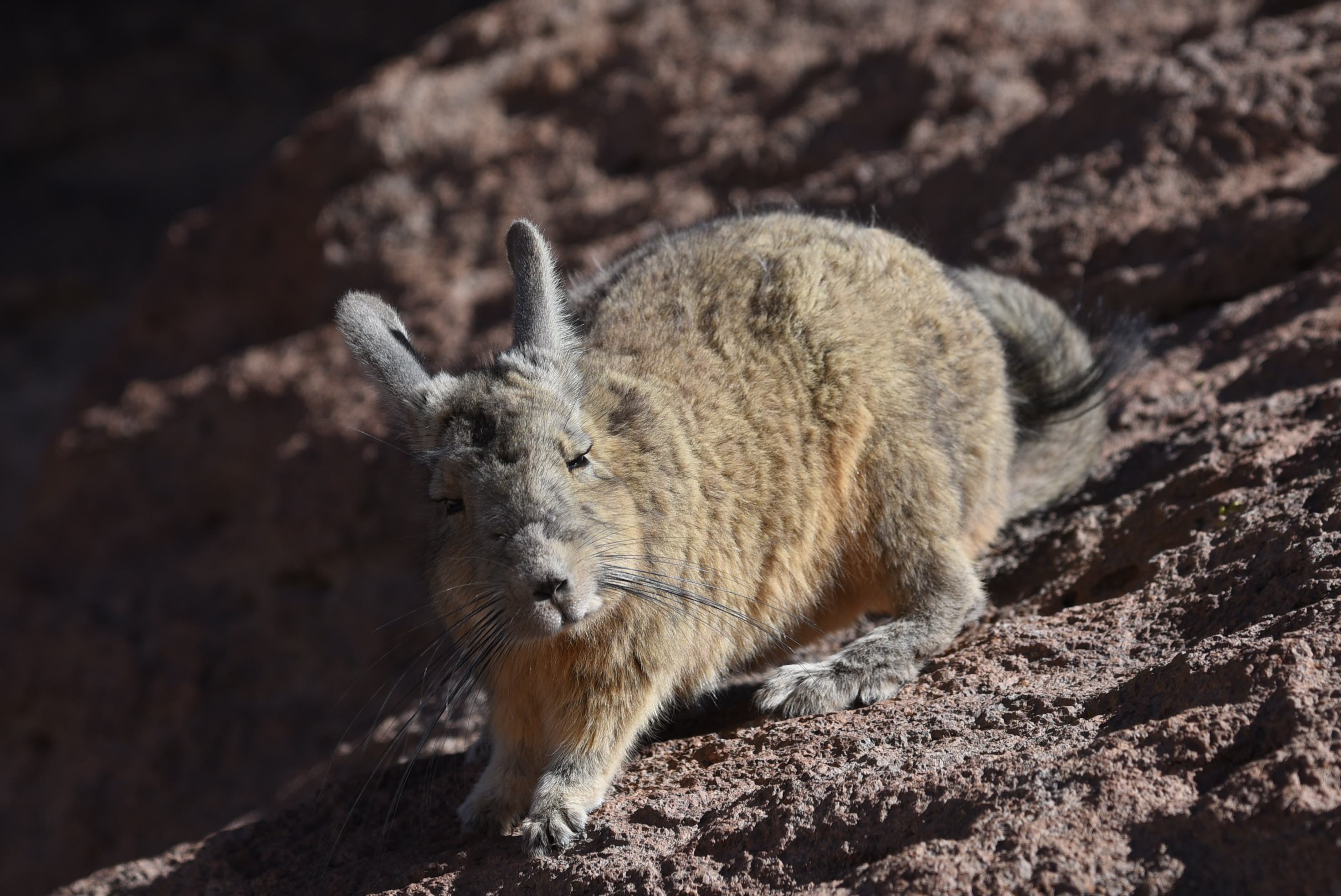
Vizcacha – a type of small rodent Llamas sunning themselves in a grassy valley
We knew that our third day in the desert would mostly consist of dropping Caroline at the Chilean border and then driving for hours back to Uyuni. The drivers roused us in the frigid hours before sunrise to drive an hour to a hot spring. Somehow that warm water made the lack of sleep and hours on bouncy roads worthwhile.
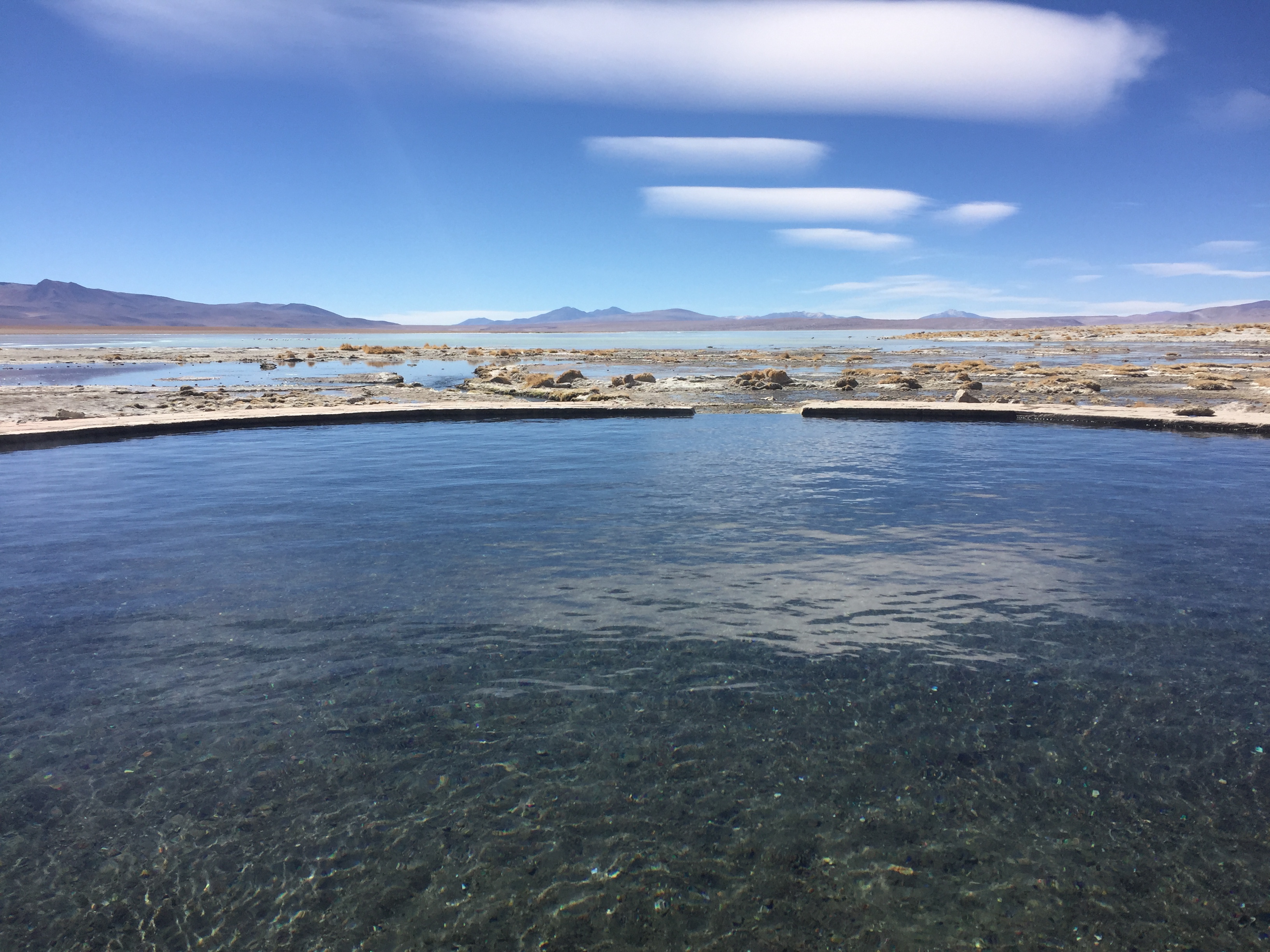
But after our warm soak came another lake or two and then the grueling ride back to Uyuni, with a quick stop for lunch. We drove almost all day, finally returning around dusk. Our whole group decamped to the local pizza place for dinner, then headed for La Paz by plane, train and bus.
After only two more work-filled days in La Paz, I flew to Santa Cruz, Bolivia’s second-largest city. We flew over the Andes in the dark and down onto the wide grasslands of the Amazon. The more favorable terrain means that Santa Cruz is the country’s industrial and commercial capital. My five day stay here was mostly spent in front of my laptop connected with the office back in the US, but I spent some time visiting clients and seeing the sights around Santa Cruz.
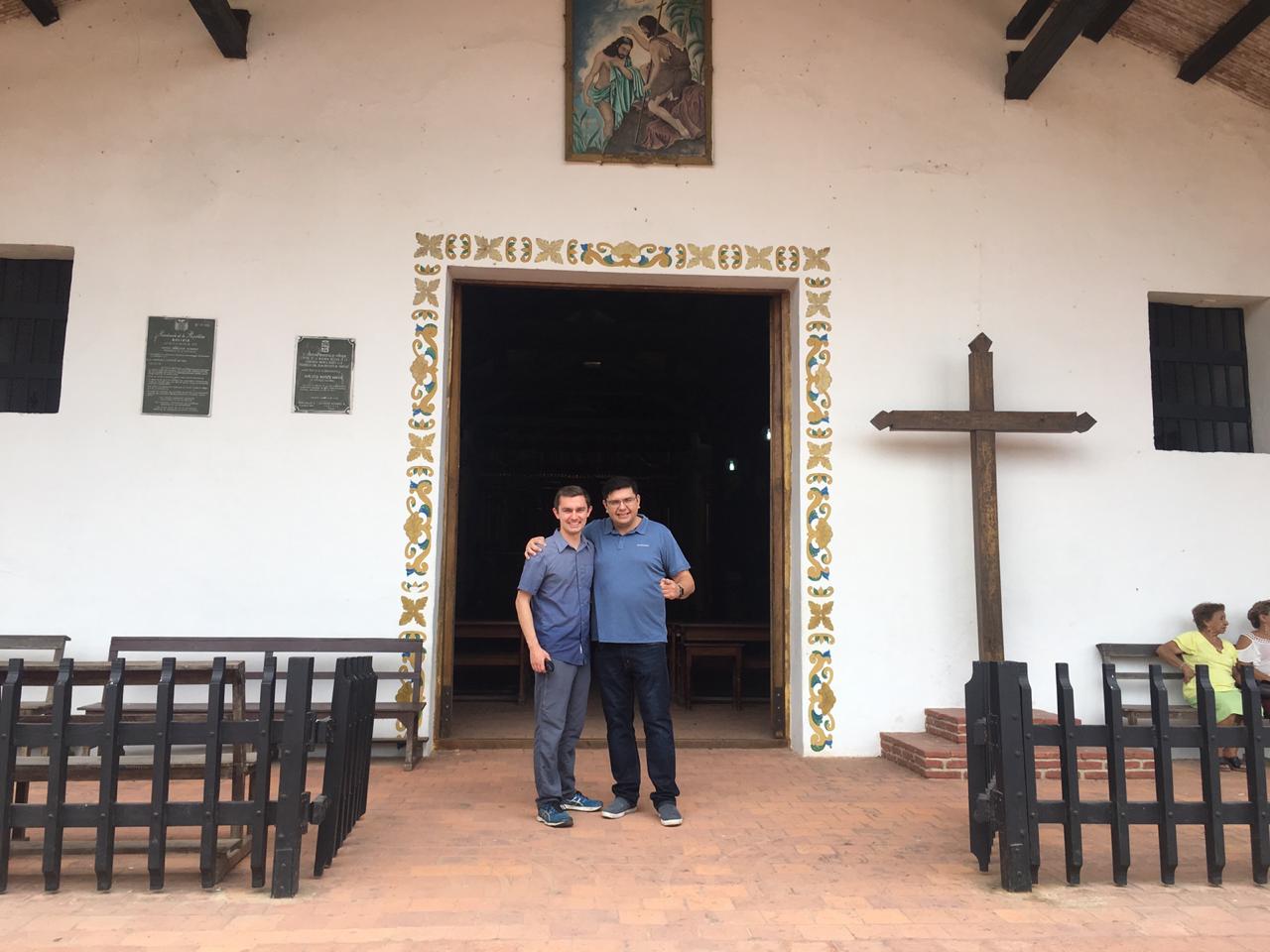
One afternoon, a client in Santa Cruz suggested we go to Porongo, a rural village about 40 minutes outside the city. This charming town is a common weekend getaway for city-dwellers, with restaurants and ice cream shops arranged around the football pitch in the town square.
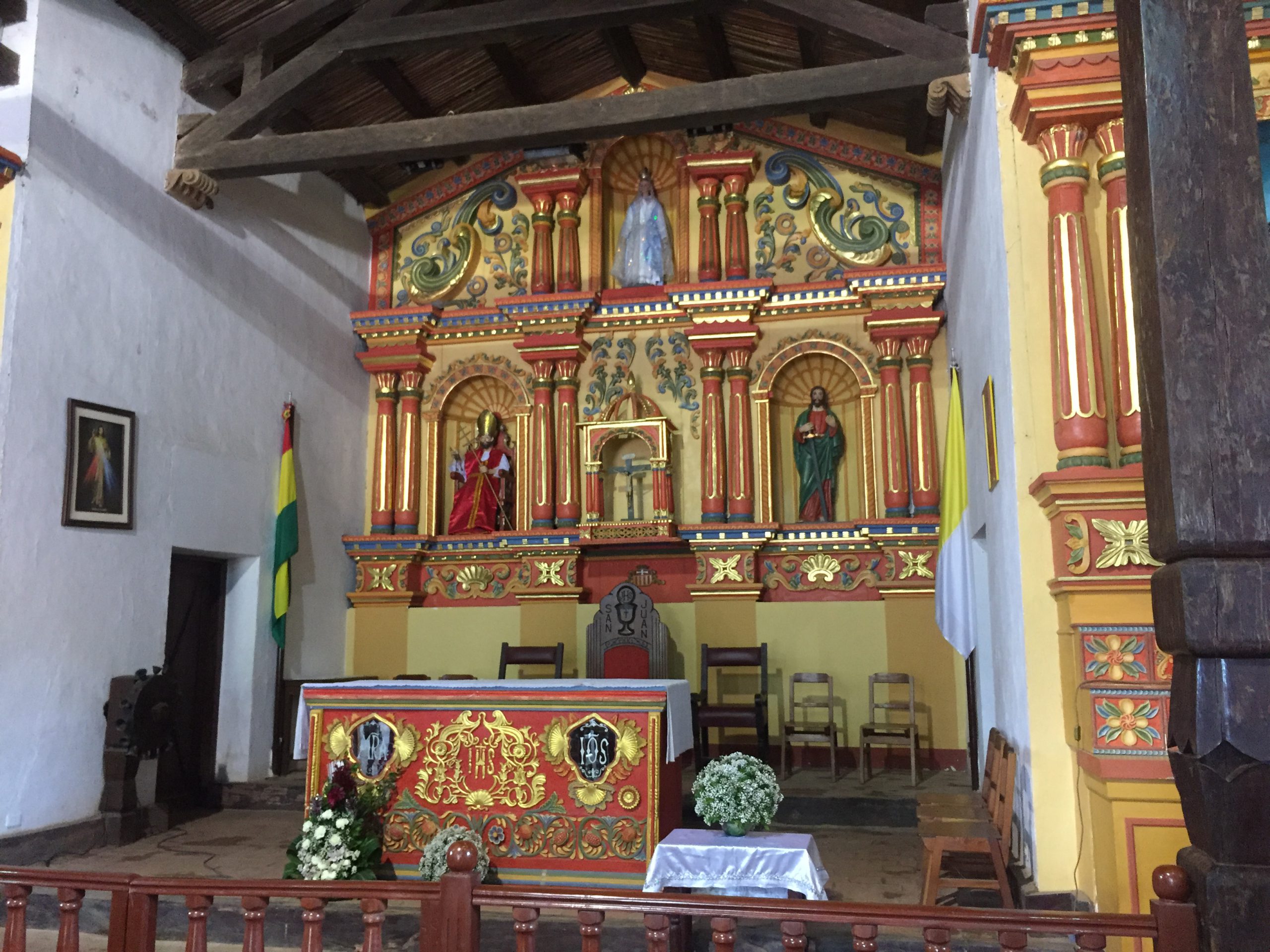
I could walk all over Santa Cruz on the level streets, which was always a challenge on the steep slopes of La Paz. This city had a different quality to it – more developed, finer food, and more green spaces. I thoroughly enjoyed my time there, but it came time to catch my flight back to Dallas.
This is the third part of my adventures in Peru and Bolivia. The story began with a short stop in Lima, followed by mountaineering in Bolivia.