Read Time:4 Minute, 52 Second
My journey from the US to Morocco took me through London, a city I called home for a year, and Lisbon. For my trip this summer I would be starting in Marrakech, crossing the Sahara for the second time, and continuing on into West Africa.
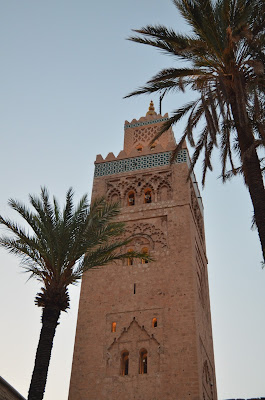 |
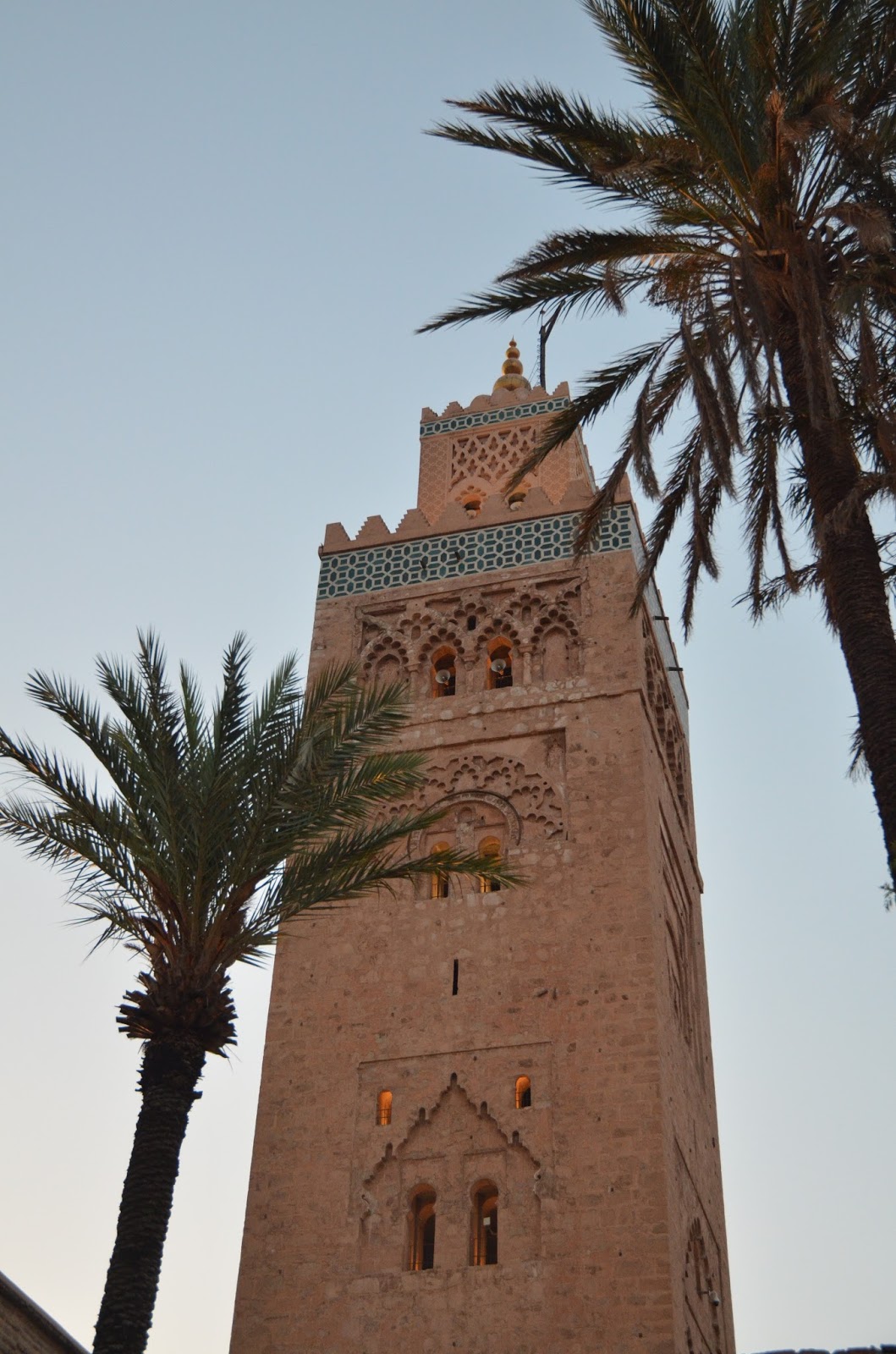
| The minaret of Koutoubiya Mosque in Marrakech |
European budget airlines like EasyJet and Ryanair operate cheap flights to Marrakech, and as a result, the city is overrun with tourists getting their first taste of North Africa. While wandering the endless maze of souks retains some of its charm, the perpetual crush of tourists at all hours exhausted me.
 |
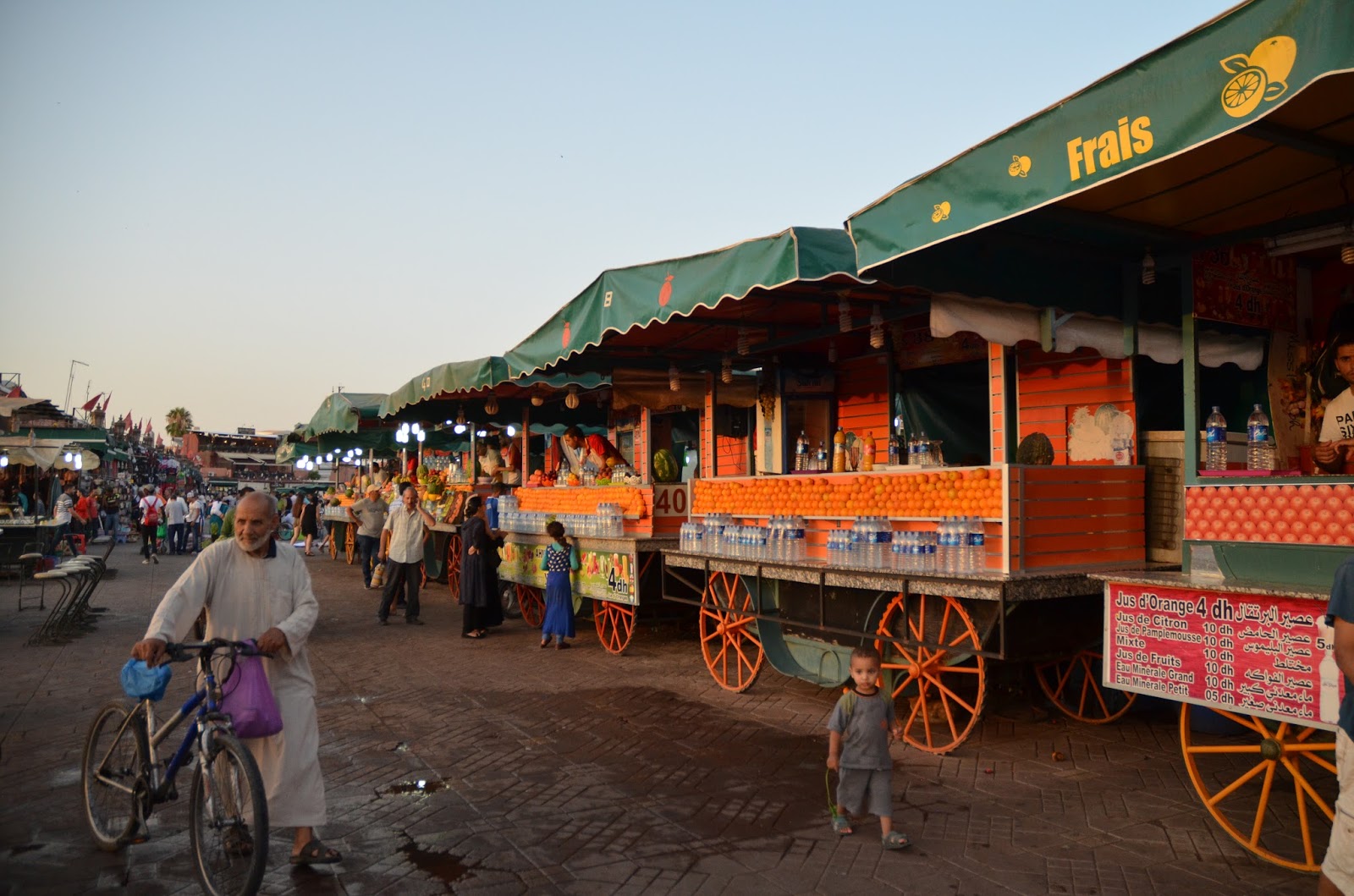
| One of the many glasses of orange juice I drank in the Marrakech marketplace. At 4 dirhams ($0.42), they’re a bargain! |
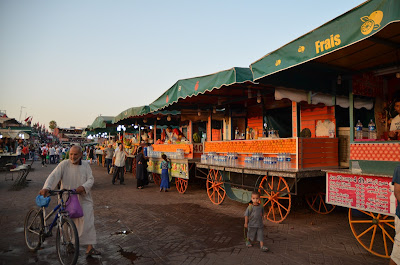 |
| One orange juice vendor after another in Marrakech
|
At night, all manner of restaurants set up in the central square, each identified by their stall number. I ate here almost every night, but by far the most interesting was the night I had goat brains, tongue, and cheek meat.
 |
| Various parts of the goat head. Cheek on the left, tongue at the top, and brains in the bottom right. I gagged on the brains. |
 |
| Goat heads ready for sale |
I also spent plenty of time wandering the maze like markets where virtually anything was for sale. Though the sheer number of tourists has dimmed the charm somewhat, it’s easy to imagine this place a century ago.
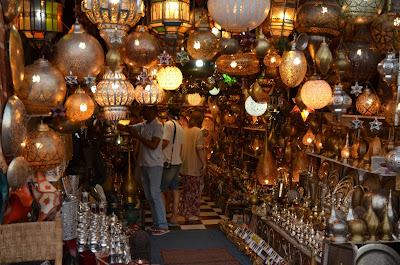 |
| Traditional hanging lamps in the souqs of Marrakech
|
 |
| Musicians in the streets of Marrakech |
Unfortunately my plans to spend as little time in Morocco as possible were complicated by wisdom teeth that began to ache and needed to be extracted. Though I’d considered this possibility beforehand, I was hoping they could wait until I returned to the States in three months. Not willing to risk having them pulled in an even less-developed country, I found the best dentist in Marrakech and made an appointment two weeks away. With the intervening time, I was able to make side trips to Casablanca and Rabat, Morocco’s economic and political capitals.
 |
| My train departing Marrakech’s brand new train station |
My stay in Casablanca was regrettably short, but I still had the chance to visit the city’s major landmarks, including Hassan II Mosque, the largest mosque in Morocco. Its enormous minaret is the tallest religious structure in the world.
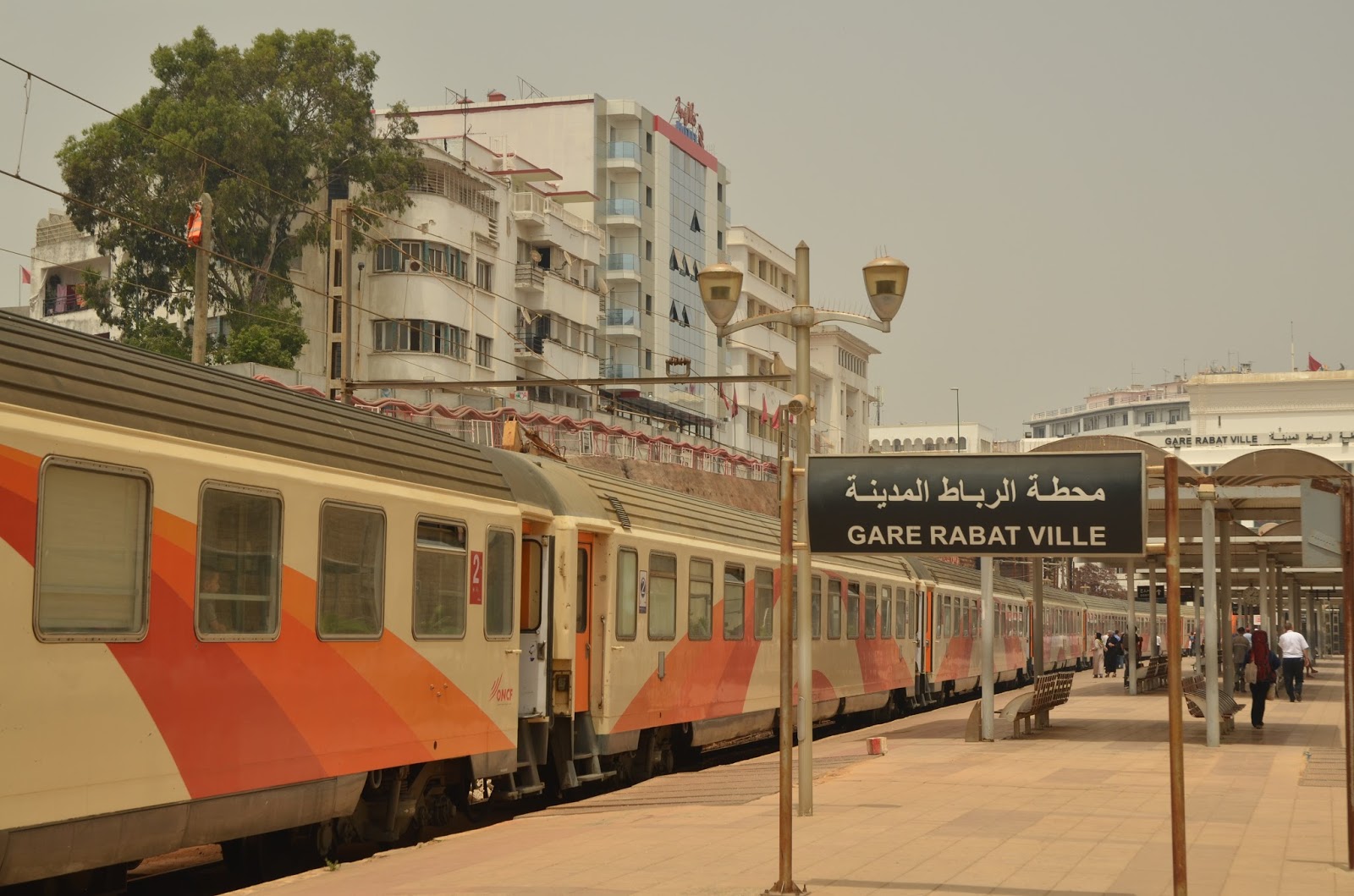
Rabat, the administrative capital of Morocco, has a reputation a a dreary city. But the freedom from the crush of tourists that overwhelmed Marrakech was a welcome change, and encouraged me to explore the city more thoroughly. The trip from Casablanca to Rabat is a short train ride of about one hour.
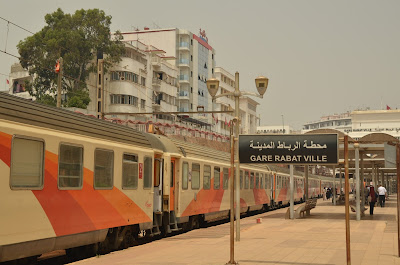 |
| My train arrives at Rabat’s central train station
|
Rabat has a charming blue and white painted casbah on a bluff overlooking the sea. It is full of charming side streets and quaint houses.
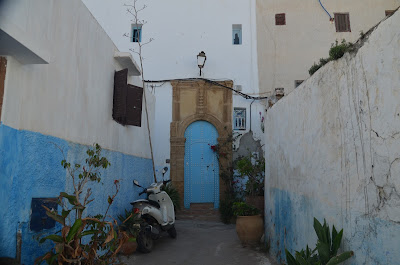 |
| A quiet side street in Rabat’s Kasbah |
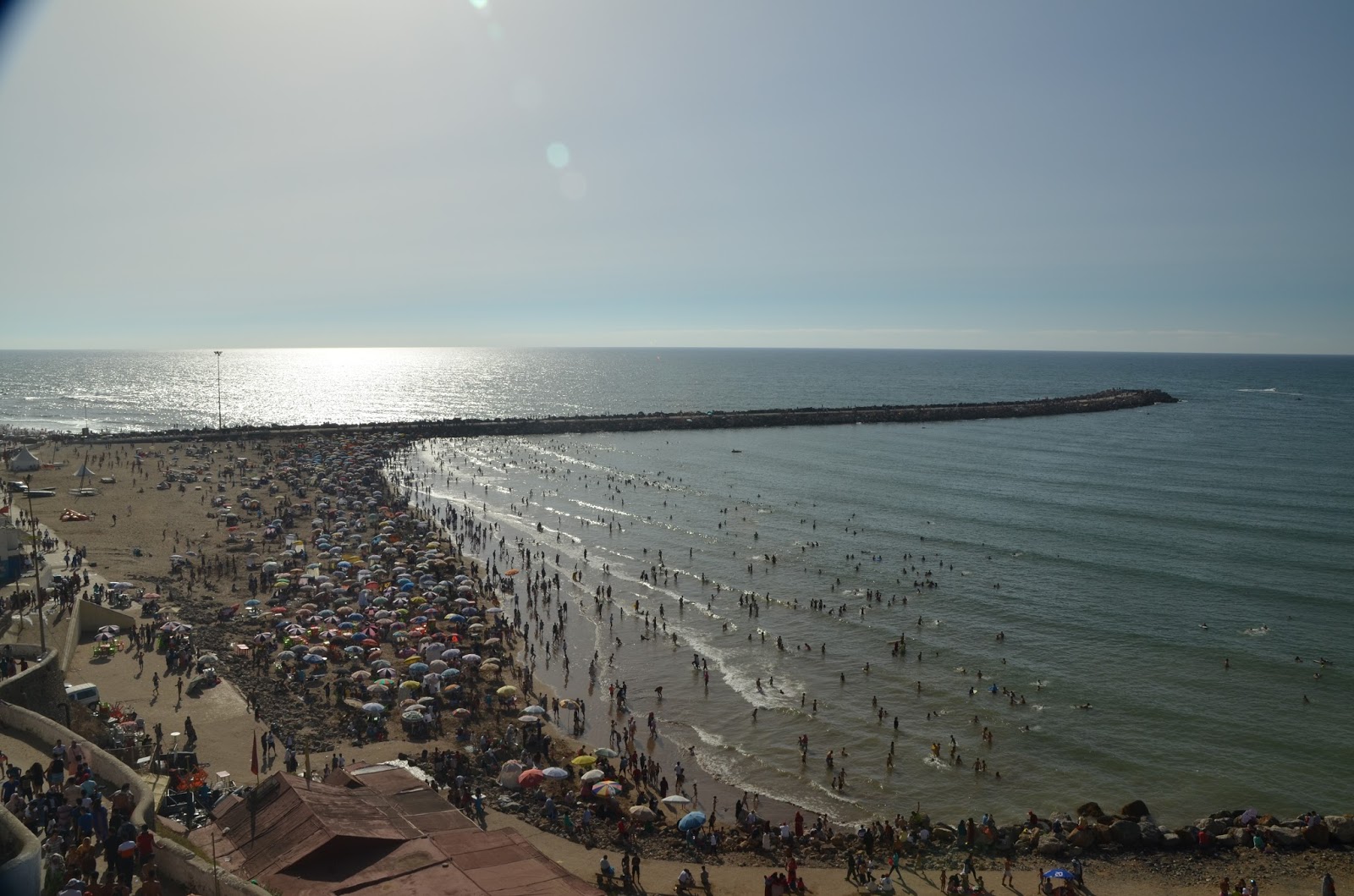
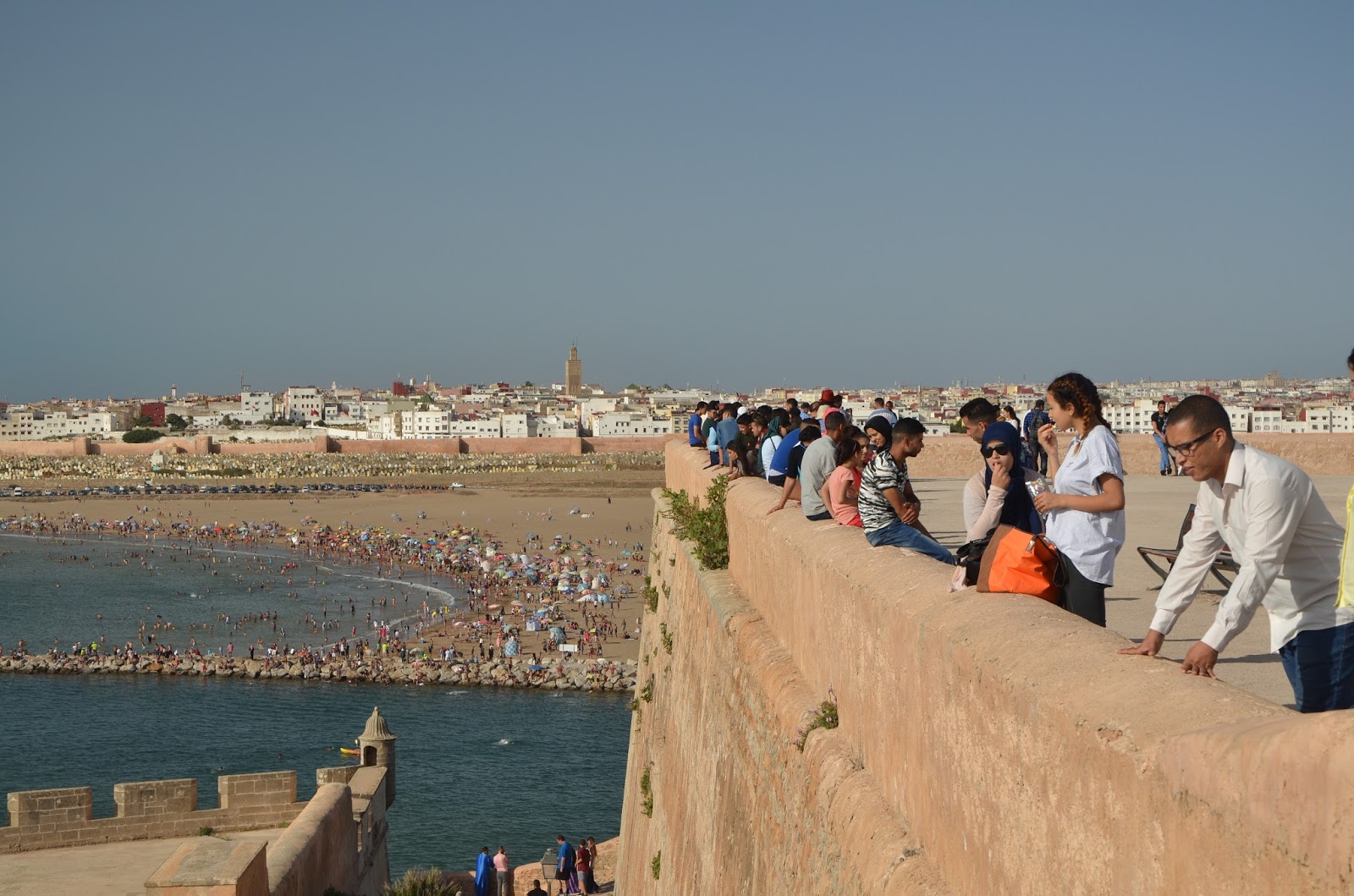
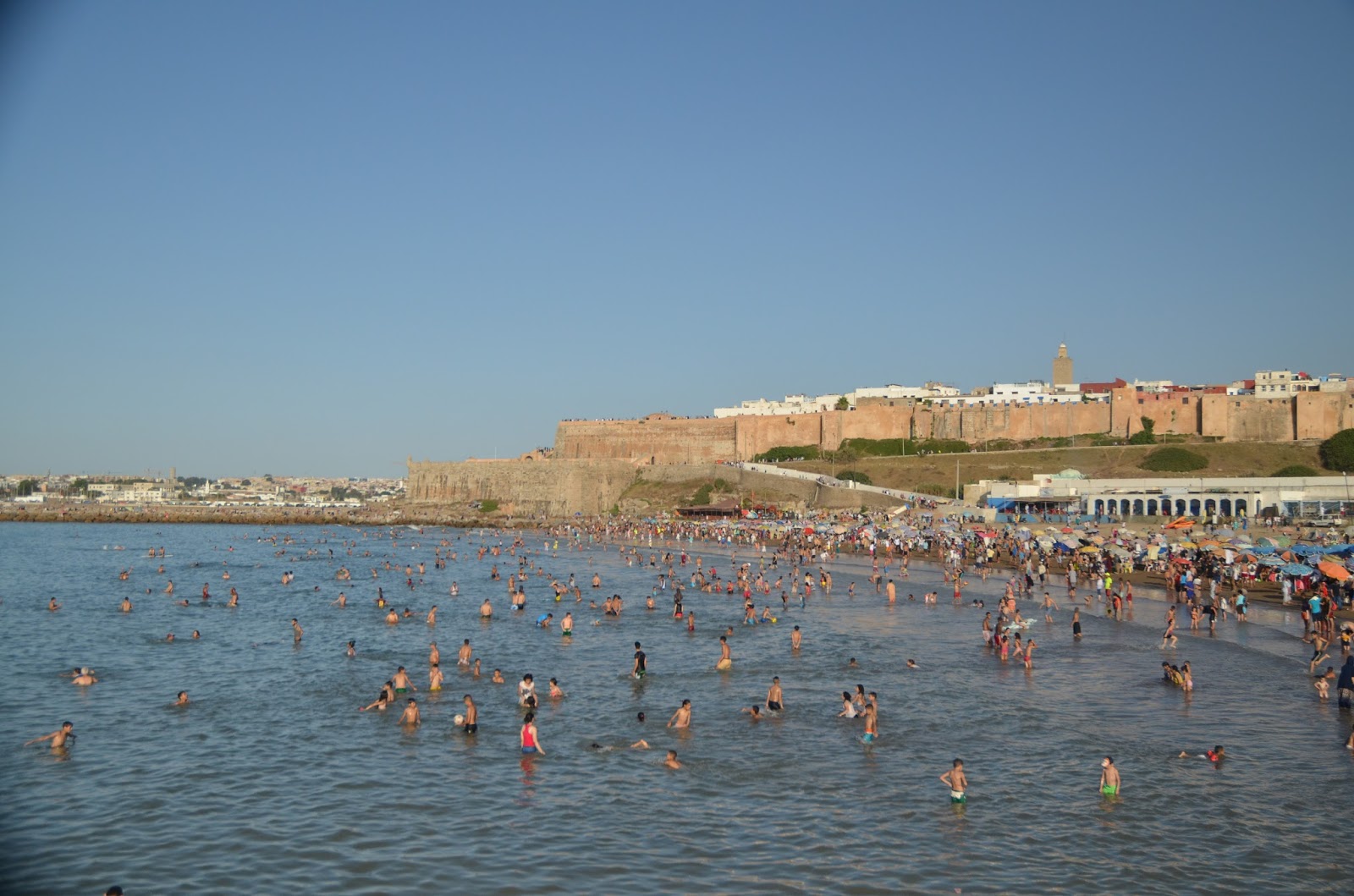
On this warm summer day, Rabat’s beaches were filled with people, though the swimmers were mostly men.
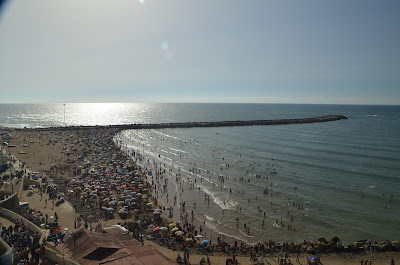 |
| Rabat’s crowded beach |
Several people sit atop the towering walls of Rabat’s casbah and look down at the beach. The mouth of the river can be seen in the photo below, and Rabat’s sister city of Sale is in the background.
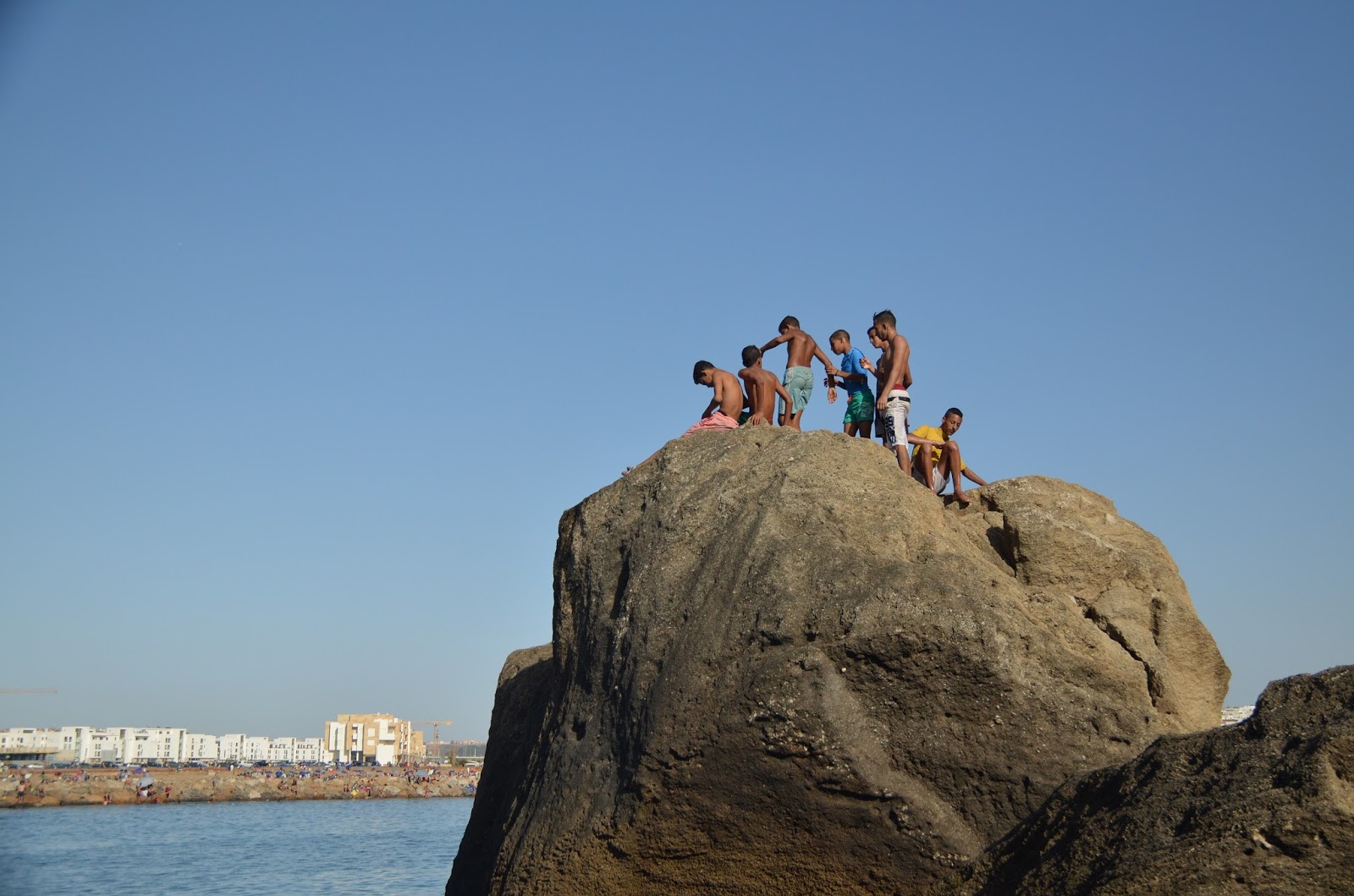
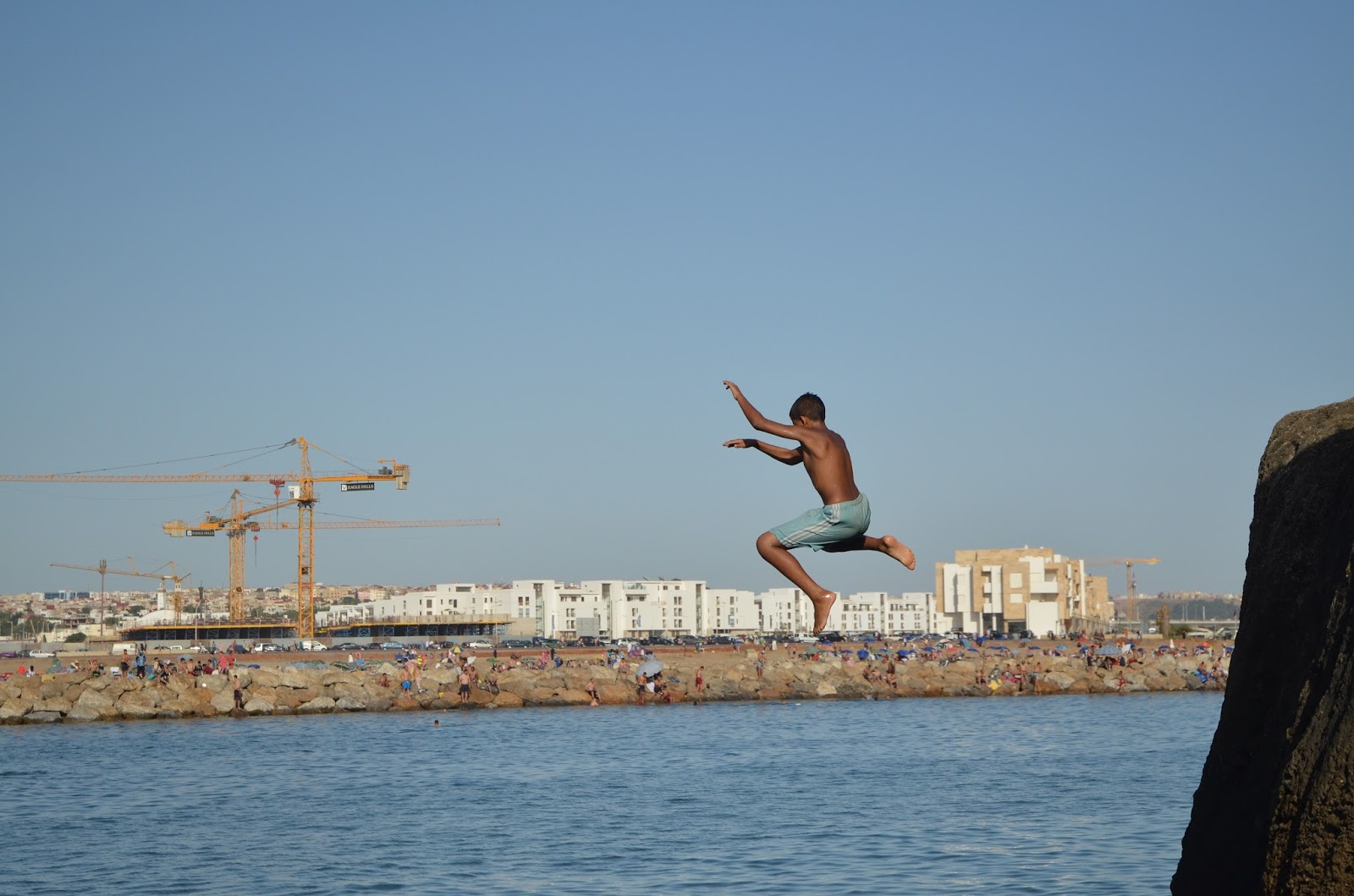
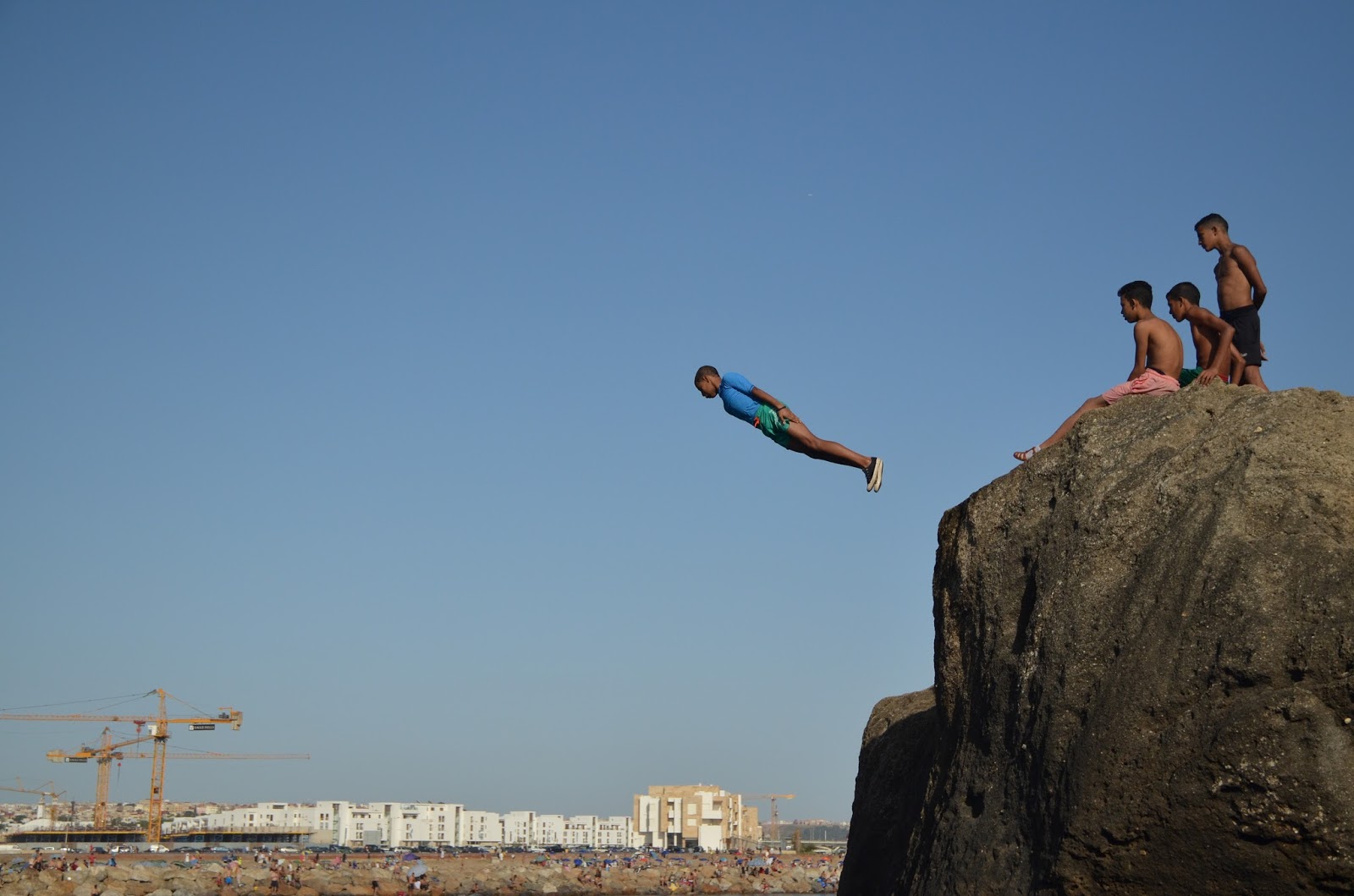
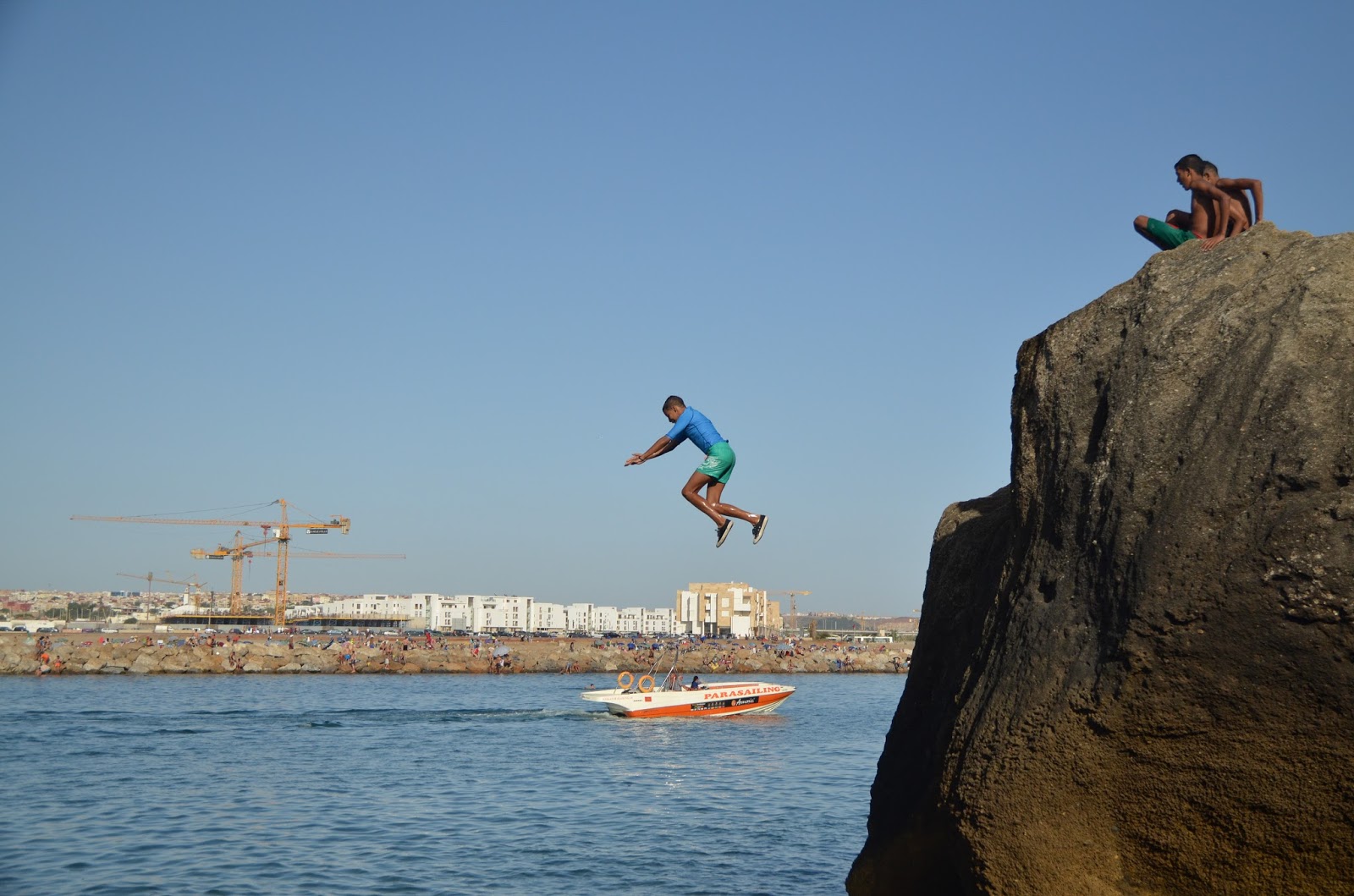
I took a series of photos of boys jumping from a towering rock into the sea below. They were having fantastic time.
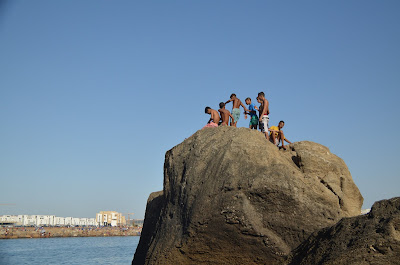 |
| A group of boys stands atop a boulder overlooking the sea, preparing to jump |
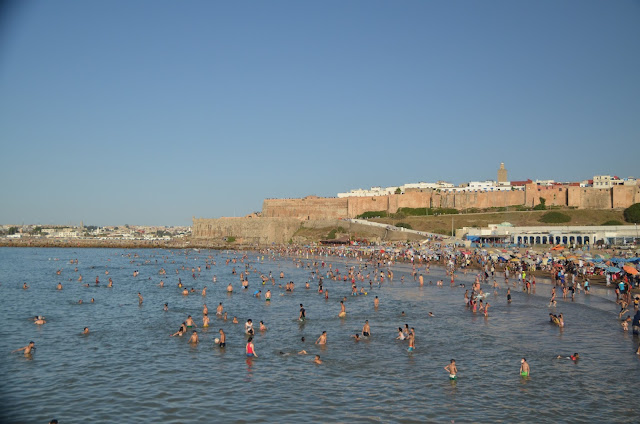 |
| Bathers, nearly all male, swim in the bay of Rabat |
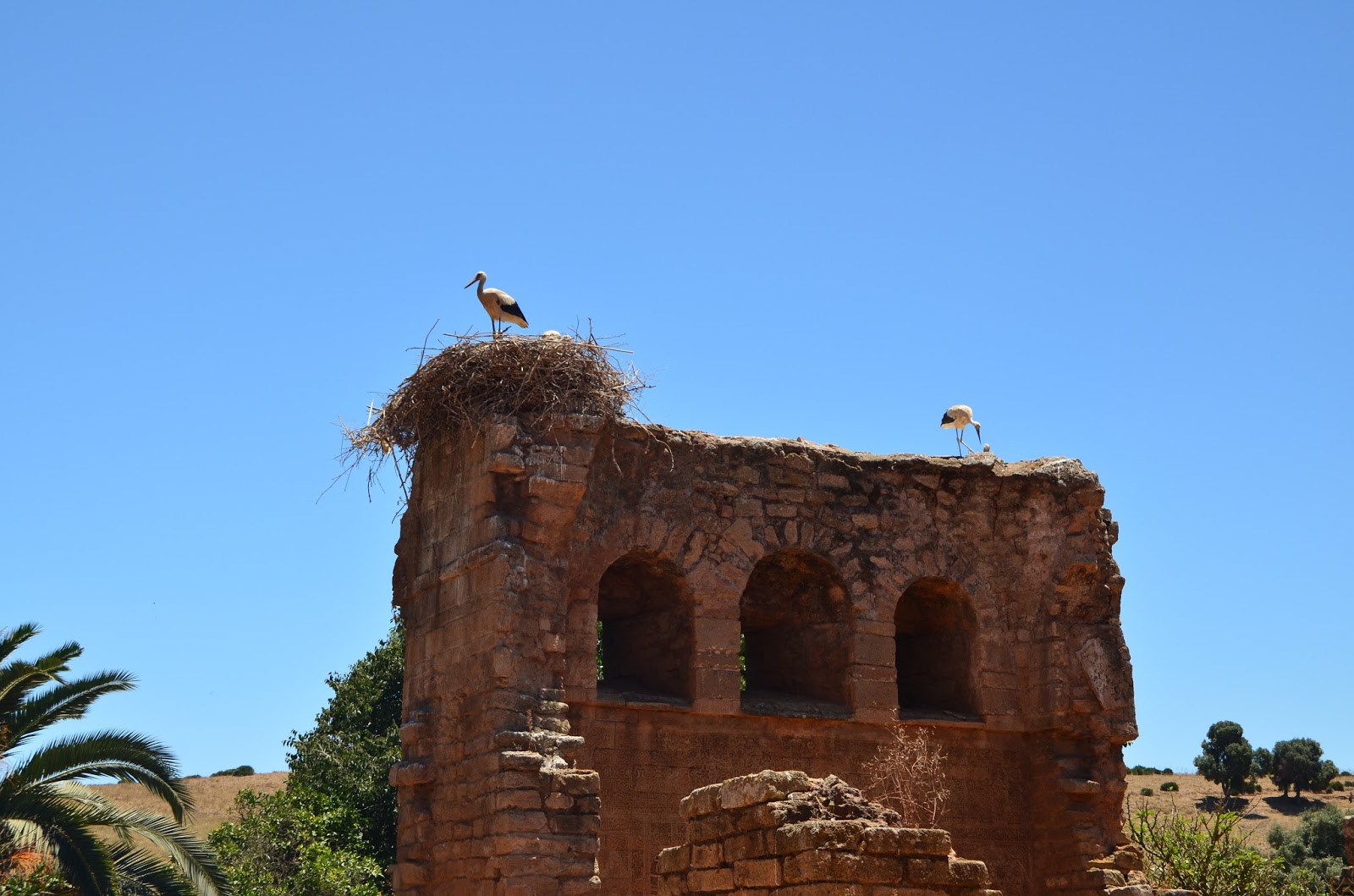
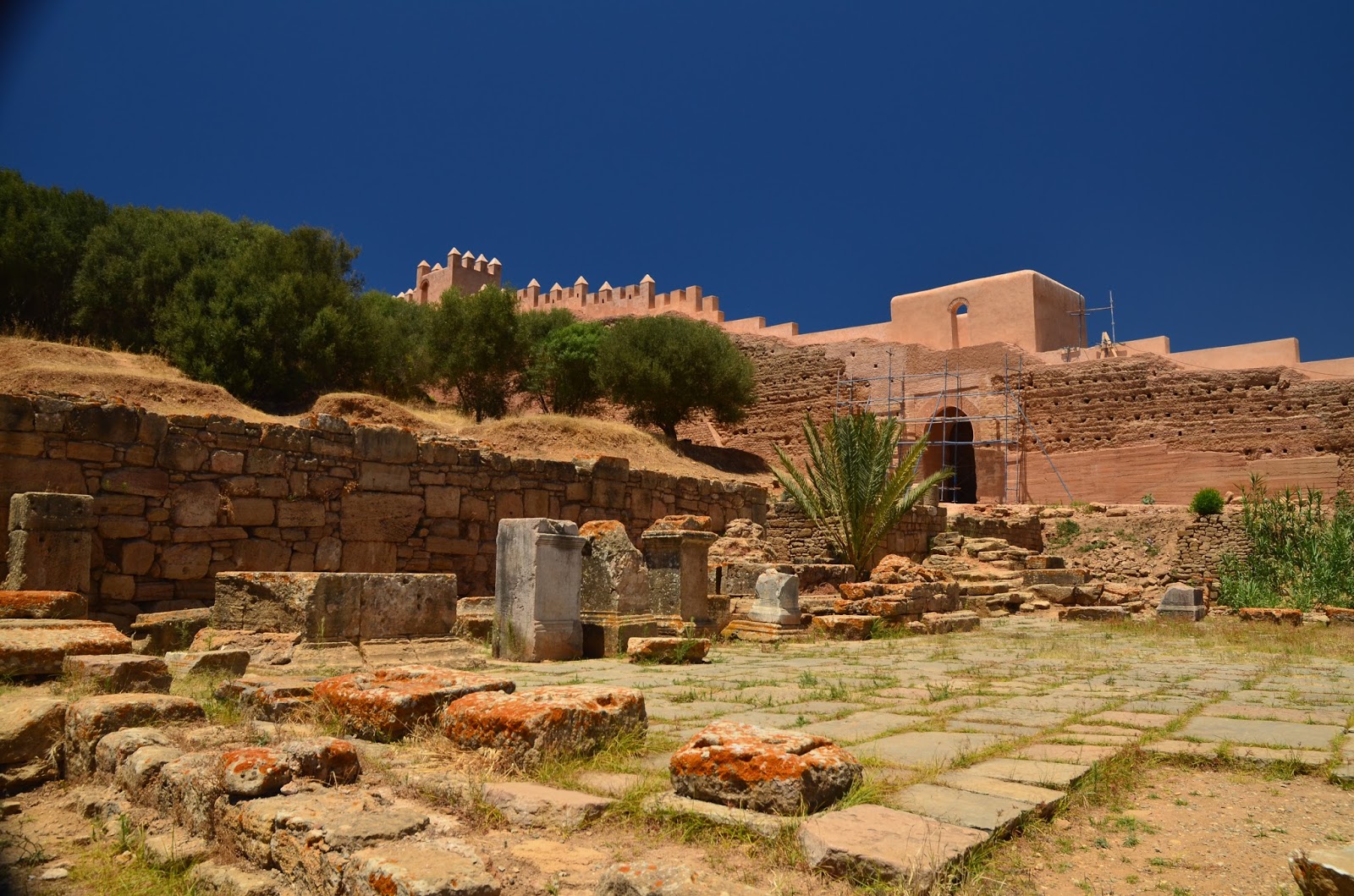
On the edge of modern Rabat is the Chellah, the heart of the ancient and medieval city. It lies a short distance upriver from the sea, and was once used as a raiding base for pirates. The Almohads later used it as a burial ground. Its current inhabitants are a large colony of storks, who have built their nests atop the ruins.
 |
| The grounds of the Chellah, with the mosque and burial ground at right |
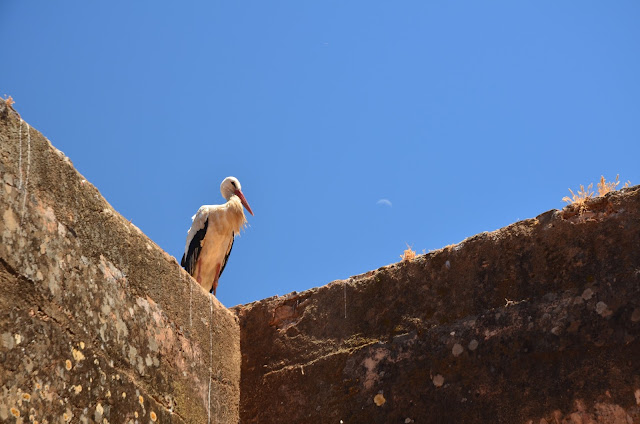 |
| A stork watches over the tourists below, with the moon behind |
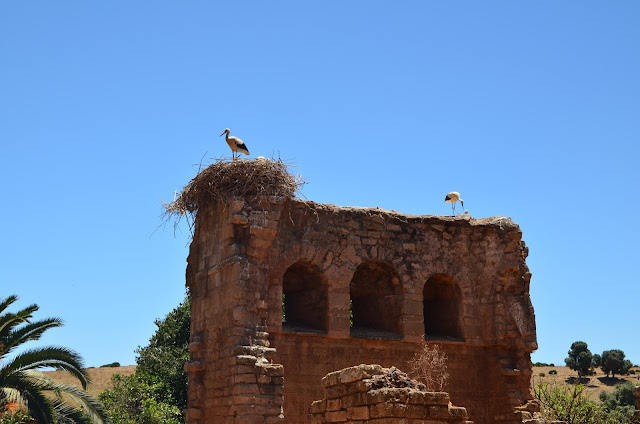 |
| Two storks and a large nest |
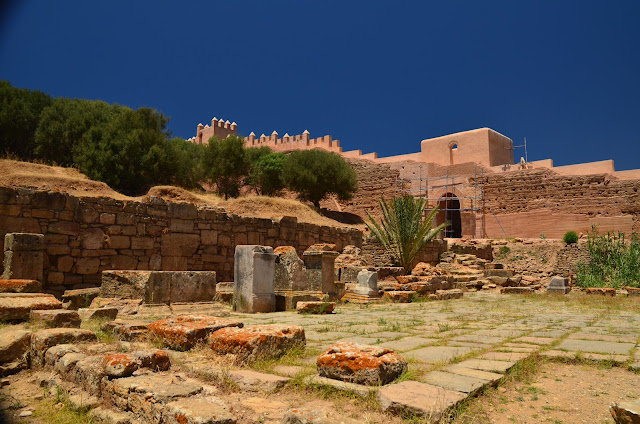 |
| The location of the forum during roman times, with the newly restored walls in the background |
After my side trip to Casablanca and Rabat (where spent the festival of Eid al Fitr), I came back to Marrakech and had three teeth extracted. A few days of recovery later, and I was on my way to Western Sahara, or as Morocco calls it, the Southern Provinces, via an overnight stop at Agadir.
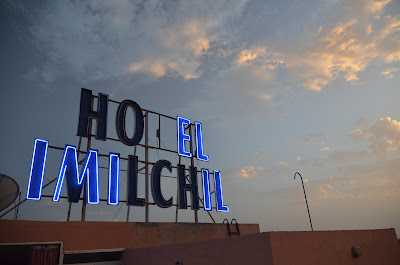 |
| The roof of my hotel in Marrakech where I recovered from surgery. |
Western Sahara is one of the emptiest stretches of land in the world and also home to the highest concentration of landmines. It was a long bus ride from Agadir to Dakhla, the largest city in the region. This seaside town has a beautiful lagoon nearby, one of the world’s foremost locations for kitesurfing.
 |
| A glass of avocado juice on the waterfront in Dakhla, Western Sahara |
There is also an oyster farm in Dakhla, which produced delicious and buttery oysters.
Because Western Sahara was formerly a Spanish colony, the Catholic Church still has a presence here. But because most of the inhabitants are transplanted from elsewhere in Morocco, the majority of the population practices Islam.
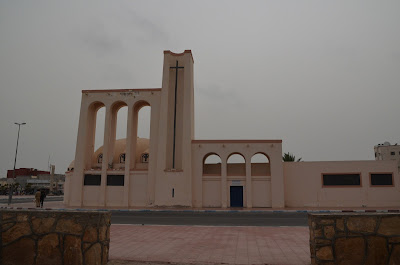 |
| Dakhla’s Catholic Church |
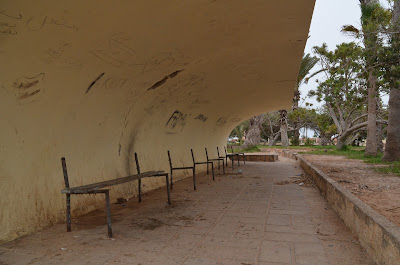 |
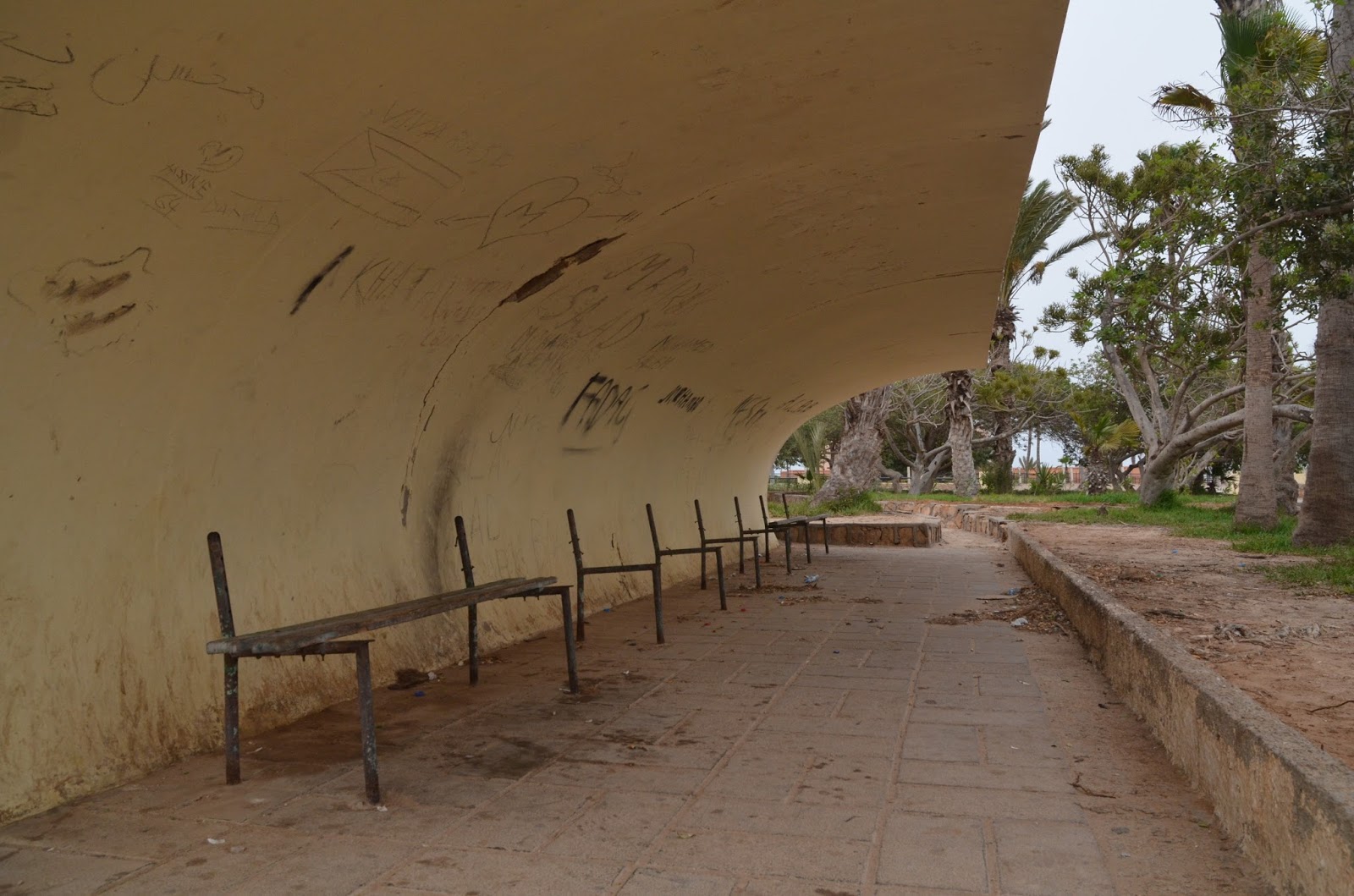
| A decaying park in Dakhla |
After a few days enjoying seafood in Dakhla, I boarded a bus that would take me onward to Mauritania.
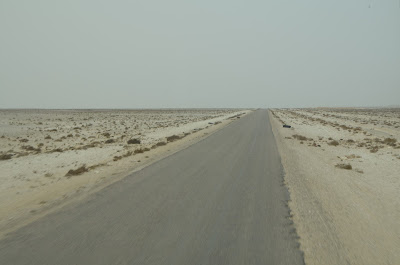 |
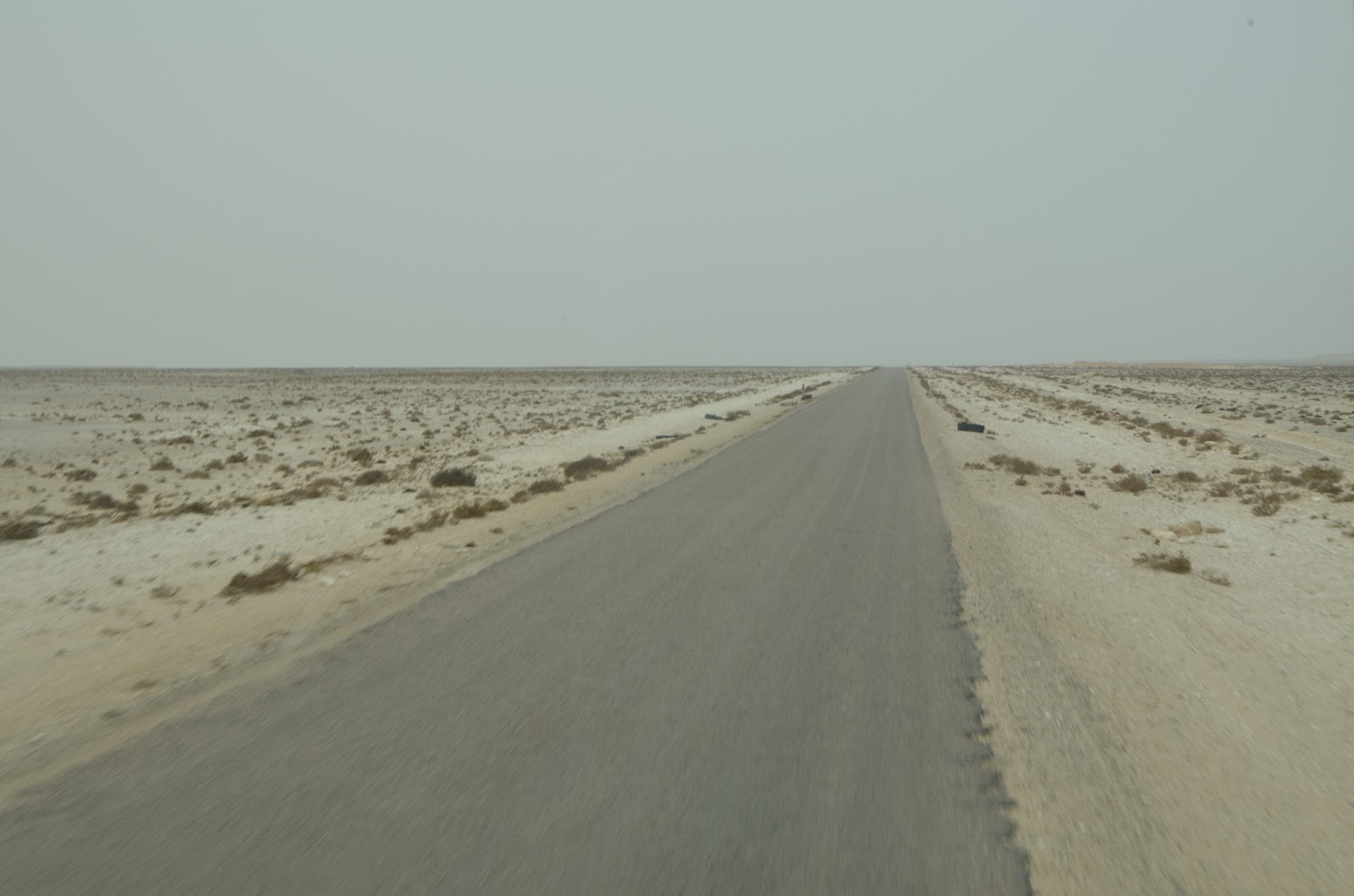
| A desolate stretch of road leading towards Mauritania |
The border crossing from Western Sahara to Mauritania requires passing through the minefield between the Moroccan government positions and the Mauritanian border post. The drivers who ply this route every day know to stay in the deep ruts left by previous vehicles. If anything, bouncing over the rocky path was a little bit fun. And after a tedious process getting my Mauritanian visa at the border, I was stamped into my next country.

Happy
0
0 %

Sad
0
0 %

Excited
0
0 %

Sleepy
0
0 %

Angry
0
0 %

Surprise
0
0 %
 0
0
 0
0